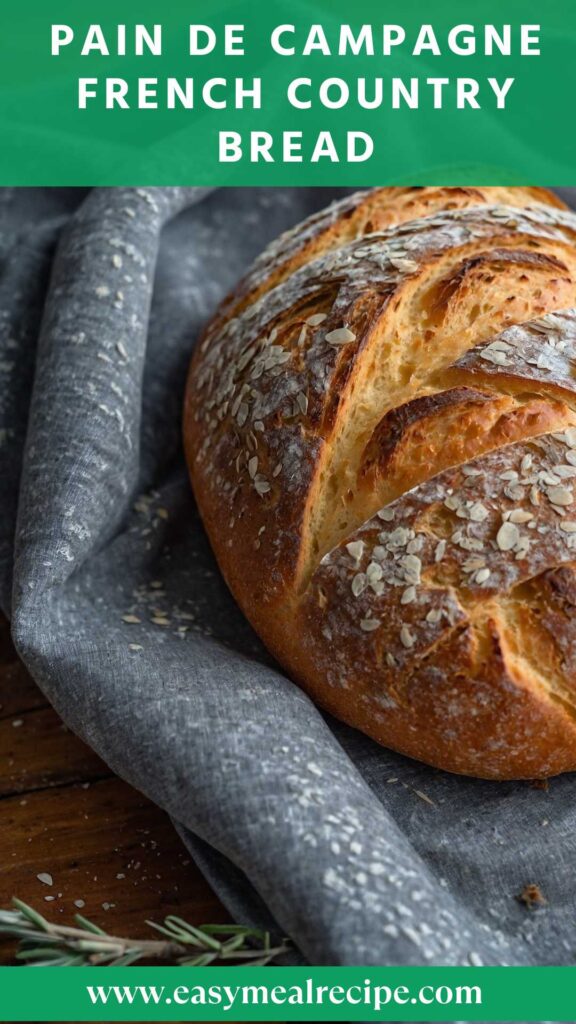
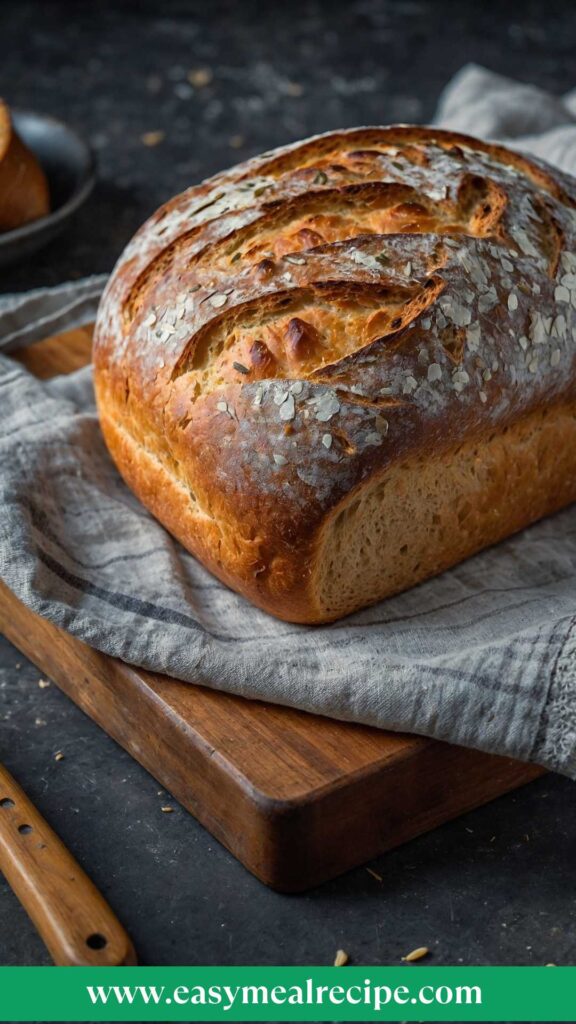
Before diving into the rustic charm of Pain de Campagne, let’s talk about what pairs beautifully with it. This bread, with its hearty crust and airy, flavorful crumb, can elevate many meals. Imagine enjoying it with a slather of homemade herb butter or perhaps some savory cheese like aged Comté or sharp Cheddar.
It shines alongside a rich vegetable soup, offering a delightful contrast of textures and flavors. For a special treat, toast it and top it with creamy avocado, a sprinkle of sea salt, and a dash of chili flakes. Feeling fancy? Use it to create delicious crostinis topped with fresh tomatoes and basil drizzled with balsamic glaze. Either way, you can't go wrong with Pain de Campagne.
When I first stumbled upon Pain de Campagne, I was immediately taken by its rustic allure. The name translates to "country bread" in French, and as I learned more, I realized it embodies a deep connection to home and hearth. This bread reflects the soul of traditional French baking, blending various flours to create something truly special.
Baking this bread isn't just a cooking task; it's an experience. Yes, it's a little time-consuming, but trust me—each step is rewarding. If you hang tight, I promise we’ll explore everything from baking it successfully to delighting in its complex flavors.
At its core, Pain de Campagne is a traditional French bread often made with a mixture of flours, including white and whole-grain varieties. Unlike the more commonly known baguette, this bread embraces a more rustic style. It typically features a round or oval shape, with an artisan crust and an airy interior.
The pain de campagne is known for its open crumb structure, thanks to the use of sourdough starter and longer fermentation periods. This not only builds flavor but also gives the bread its characteristic chew. Whether enjoyed fresh out of the oven or toasted the next day, it carries a warmth that reminds many of cozy kitchens in the French countryside.
What is the Flavor Profile of This Dish?
Oh, the flavors! When you take a bite of Pain de Campagne, you’ll encounter a wonderful balance of nutty, earthy undertones. The use of rye and whole wheat flours contributes a complexity that white bread simply can't match. The crust, golden and slightly crackly, provides a satisfying crunch that you’ll crave after just one bite.
And let's not forget about the inherent tang from the sourdough starter. This slight acidity enhances the flavors, making every slice a little dance party on your taste buds. The bread’s flavor profile can also vary depending on the flour blend used and the fermentation process, creating a unique taste with every bake.
What Makes This Recipe Different from Other Pain de Campagne French Country Breads?
Not all Pain de Campagne recipes are created equal. My version offers a delightful twist that I discovered after numerous experiments in my kitchen. I incorporate a mix of rye, whole wheat, and strong white flour, creating a depth that is often overlooked.
One key difference in my recipe is the fermentation process. I recommend a longer, slow fermentation overnight, which allows the flavors to develop fully. Many recipes rush this step, yielding a bread that lacks character and richness.
By taking the time for fermentation, you’re rewarded with that perfect tang and a chewy, taste-bud-tingling texture.
Ingredients You’ll Need
So, ready to get your hands floury? Here’s what you'll need for that beautiful Pain de Campagne:
For the Levain (Day 1):
25 g strong white flour or plain all-purpose flour
75 g rye flour (for depth and complexity)
75 g lively sourdough starter (should be bubbly and fed)
25 g stone-ground whole wheat flour
100 ml filtered water (room temperature)
For the Main Dough:
7 g sea salt
225 g strong white bread flour (or all-purpose flour if preferred)
10 g olive oil (adds moisture and subtle richness)
50 g whole wheat flour (adds nuttiness and texture)
200 ml cool water
5 g honey (helps balance flavors and feeds fermentation)
25 g rye flour (adds flavor and color)
Step-by-Step Directions
Now, let’s dive into the exciting part! Here’s how to bake this delectable bread.
Step 1: Prepare the Levain
Start by mixing the flours, sourdough starter, and water in a bowl. Stir until combined. You want a thick paste-like consistency. Cover and let it ferment at room temperature for 12–14 hours. This is the heart of your flavor.
Step 2: Mix the Dough
In a large mixing bowl, combine the strong white bread flour, whole wheat flour, rye flour, and sea salt. Make a well in the center, then add the levain, honey, olive oil, and cool water. Mix until you form a shaggy dough. No need to overmix at this stage.
Step 3: Knead the Dough
Turn the dough onto a lightly floured surface. Knead for about 10 minutes until it becomes smooth and elastic. If you remember, you can also use the stretch and fold technique, which works well for this kind of bread.
Step 4: First Rise
Place your dough in a lightly greased bowl, cover it with a damp cloth, and let it rise for 1–2 hours. Ideally, it should double in size.
Step 5: Shape the Dough
Once risen, turn it out onto a floured surface. Flatten gently. Shape it into a round loaf. You can also shape it into a batard (an oval shape). Make sure to create tension on the surface.
Step 6: Second Rise
Place the shaped dough on a floured proving basket or a bowl lined with a floured cloth. Cover and allow it to rise for another 1–1.5 hours until puffy.
Step 7: Preheat the Oven
Preheat your oven to 230°C (450°F) with a baking stone or an inverted baking sheet inside. If you have a Dutch oven, place that inside too—that'll create steam and help your crust.
Step 8: Score and Bake
Just before you put the bread in the oven, carefully turn it out onto parchment paper. Score the top to control the expansion during baking. Transfer it to the hot oven and bake for about 30–35 minutes, or until the crust is dark and the internal temperature reaches around 95°C (203°F).
Step 9: Cool
Let the bread cool completely on a wire rack before slicing. This step is crucial—don’t rush it! Patience results in a better texture and flavor.
Tips on Making Pain de Campagne
Here are some tips to ensure you nail this recipe:
Use Active Starter: Make sure your sourdough starter is bubbly and active. Feed it beforehand if it hasn’t been used in a while.
Temperature Matters: Keeping ingredients, especially water, at the correct temperature is key for fermentation success. Room temperature water works best.
Watch the Dough: Don’t just rely on time. Look for visual and tactile cues. The dough should nearly double in size.
Steam is Key: Create steam in the oven by adding a tray with hot water or using a covered Dutch oven to achieve a great crust.
Practice Patience: Letting it cool down completely before slicing ensures the crumb structure sets properly.
Nutrition Information
Let’s break down what you’re getting in each slice. For a standard serving of Pain de Campagne (about 50g):
Calories: Approximately 130
Protein: 3.5g
Carbohydrates: 26g
Dietary Fiber: 2g
Fat: 1g
Nutrition can slightly vary based on the specific flour brands used and any additional toppings or spreads.
How Can I Store This Pain de Campagne?
After putting in the hard work of baking, you’ll want to preserve your bread properly. Here’s how:
Room Temperature: Keep it in a bread box or a paper bag for up to 3 days.
Freezing: To extend its lifespan, slice the bread and freeze the slices. Just thaw or toast them as needed.
Avoid Plastic: Do not store it in plastic wrap or a plastic bag. This will trap moisture and cause the crust to become soggy.
Ingredient Substitutes
If you find ingredients… well, missing during your baking adventure, here are some substitutes:
Strong Bread Flour: If you lack strong bread flour, you can use all-purpose flour mixed with vital wheat gluten. Use about 1 tsp of gluten for every cup of flour to mimic the strength.
Rye Flour: Can't find rye? Whole wheat flour works well. However, the flavor won’t be quite as deep, and the bread may be a bit denser.
Sourdough Starter: If yours is out of commission, store-bought sourdough discard can work in a pinch, but plan to adjust water and flour content.
Olive Oil: Don’t have any? Melted butter or vegetable oil can do the trick, though they will alter the flavor slightly.
Conclusion
Baking Pain de Campagne is more than just following a recipe; it’s about nurturing a relationship with food and flavor. It's a labor of love, one that fills your home with the warmth of bread baking in the oven.
This delicious bread makes for a warm companion at any meal, whether you pair it with cheese, soup, or simply enjoy it with butter. The skills you hone while crafting this rustic loaf will serve you well, opening doors to countless baking adventures.
So roll up your sleeves, get that starter bubbling, and give Pain de Campagne a shot. You won’t just be making bread; you’ll be creating memories that last. Plus, who doesn’t love the smell of fresh bread wafting through the house? Ready, set, bake!
When I first stumbled upon Pain de Campagne, I was immediately taken by its rustic allure. The name translates to "country bread" in French, and as I learned more, I realized it embodies a deep connection to home and hearth. This bread reflects the soul of traditional French baking, blending various flours to create something truly special.
Baking this bread isn't just a cooking task; it's an experience. Yes, it's a little time-consuming, but trust me—each step is rewarding. If you hang tight, I promise we’ll explore everything from baking it successfully to delighting in its complex flavors.
Ingredients
For the Levain (Day 1):
25g strong white flour or plain all-purpose flour
75g rye flour (for depth and complexity)
75g lively sourdough starter (should be bubbly and fed)
25g stone-ground whole wheat flour
100ml filtered water (room temperature)
For the Main Dough:
7g sea salt
225g strong white bread flour (or all-purpose flour if preferred)
10g olive oil (adds moisture and subtle richness)
50g whole wheat flour (adds nuttiness and texture)
200ml cool water
5g honey (helps balance flavors and feeds fermentation)
25g rye flour (adds flavor and color)
Instructions
1
Now, let’s dive into the exciting part! Here’s how to bake this delectable bread.
Step 1: Prepare the Levain
2
Start by mixing the flours, sourdough starter, and water in a bowl. Stir until combined. You want a thick paste-like consistency. Cover and let it ferment at room temperature for 12–14 hours. This is the heart of your flavor.
Step 2: Mix the Dough
3
In a large mixing bowl, combine the strong white bread flour, whole wheat flour, rye flour, and sea salt. Make a well in the center, then add the levain, honey, olive oil, and cool water. Mix until you form a shaggy dough. No need to overmix at this stage.
Step 3: Knead the Dough
4
Turn the dough onto a lightly floured surface. Knead for about 10 minutes until it becomes smooth and elastic. If you remember, you can also use the stretch and fold technique, which works well for this kind of bread.
Step 4: First Rise
5
Place your dough in a lightly greased bowl, cover it with a damp cloth, and let it rise for 1–2 hours. Ideally, it should double in size.
Step 5: Shape the Dough
6
Once risen, turn it out onto a floured surface. Flatten gently. Shape it into a round loaf. You can also shape it into a batard (an oval shape). Make sure to create tension on the surface.
7
Step 6: Second Rise
8
Place the shaped dough on a floured proving basket or a bowl lined with a floured cloth. Cover and allow it to rise for another 1–1.5 hours until puffy.
Step 7: Preheat the Oven
9
Preheat your oven to 230°C (450°F) with a baking stone or an inverted baking sheet inside. If you have a Dutch oven, place that inside too—that'll create steam and help your crust.
Step 8: Score and Bake
10
Just before you put the bread in the oven, carefully turn it out onto parchment paper. Score the top to control the expansion during baking. Transfer it to the hot oven and bake for about 30–35 minutes, or until the crust is dark and the internal temperature reaches around 95°C (203°F).
Step 9: Cool
11
Let the bread cool completely on a wire rack before slicing. This step is crucial—don’t rush it! Patience results in a better texture and flavor.
Nutrition Facts
Servings 130
Amount Per Serving
Calories130kcal
% Daily Value *
Total Fat1g2%
Total Carbohydrate26g9%
Dietary Fiber2g8%
Protein3g6%
* Percent Daily Values are based on a 2,000 calorie diet. Your daily value may be higher or lower depending on your calorie needs.
Note
Here are some tips to ensure you nail this recipe:
Use Active Starter: Make sure your sourdough starter is bubbly and active. Feed it beforehand if it hasn’t been used in a while.
Temperature Matters: Keeping ingredients, especially water, at the correct temperature is key for fermentation success. Room temperature water works best.
Watch the Dough: Don’t just rely on time. Look for visual and tactile cues. The dough should nearly double in size.
Steam is Key: Create steam in the oven by adding a tray with hot water or using a covered Dutch oven to achieve a great crust.
Practice Patience: Letting it cool down completely before slicing ensures the crumb structure sets properly.
Keywords:
Pain De Campagne French Country Bread
Mary Siegel
Registered dietitian and recipe blogger
Mary Siegel is a registered dietitian from Texas and the heart behind Easy Meal Recipe, a blog dedicated to making healthy cooking simple and enjoyable. With a background in Nutrition and Dietetics from the University of Houston, she shares easy, flavorful recipes designed for busy lives. Growing up surrounded by family and food, she now blends her love of comfort food with a focus on balanced nutrition. Outside the kitchen, Mary loves exploring farmers' markets and spending time with her family in the Texas outdoors.