Ingredients
Method
- With your ingredients ready, let’s dive into the making process.
Step 1: Prepare the Marinade
- In a large bowl, combine the crushed caraway seeds and minced garlic. Add the sea salt, black pepper, and smoked paprika.
- Rub the spice mixture all over the pork shoulder, ensuring every nook is well-seasoned. You can let the pork marinate for a couple of hours, or ideally, overnight in the refrigerator. This helps the flavors penetrate deeply into the meat.
Step 2: Sear the Pork
- In a Dutch oven or large skillet, heat the oil over medium-high heat. Once hot, carefully place the pork shoulder in the pot.
- Sear it on all sides until beautifully browned. This caramelization adds depth to the final dish. Don’t rush; patience will reward you.
Step 3: Add the Vegetables
- After searing, remove the pork from the pot and set it aside. Toss in the sliced onions, chopped carrots, and diced parsnips. Sauté until they soften, about five minutes. This step builds a flavorful base for your dish.
Step 4: Deglaze with Beer
- Pour in the dark beer, scraping up any brown bits stuck to the bottom of the pot. This deglazing step is crucial; the bits add additional flavor to your sauce. Bring to a gentle simmer.
Step 5: Return Pork to the Pot
- Place the pork back in the pot. The liquid should come about halfway up the roast. Cover the pot with a lid and reduce the heat to low. Let it simmer gently for about two to three hours, or until the pork is fork-tender.
Step 6: Thicken the Sauce
- Once your pork is cooked, remove it from the pot and let it rest on a cutting board. To thicken the sauce, melt the butter in the pot over medium heat. Sprinkle in the flour, whisking until smooth.
- Gradually add the liquid from the pot, stirring continuously until it thickens to your liking. Taste and adjust the seasoning if necessary.
Step 7: Serve
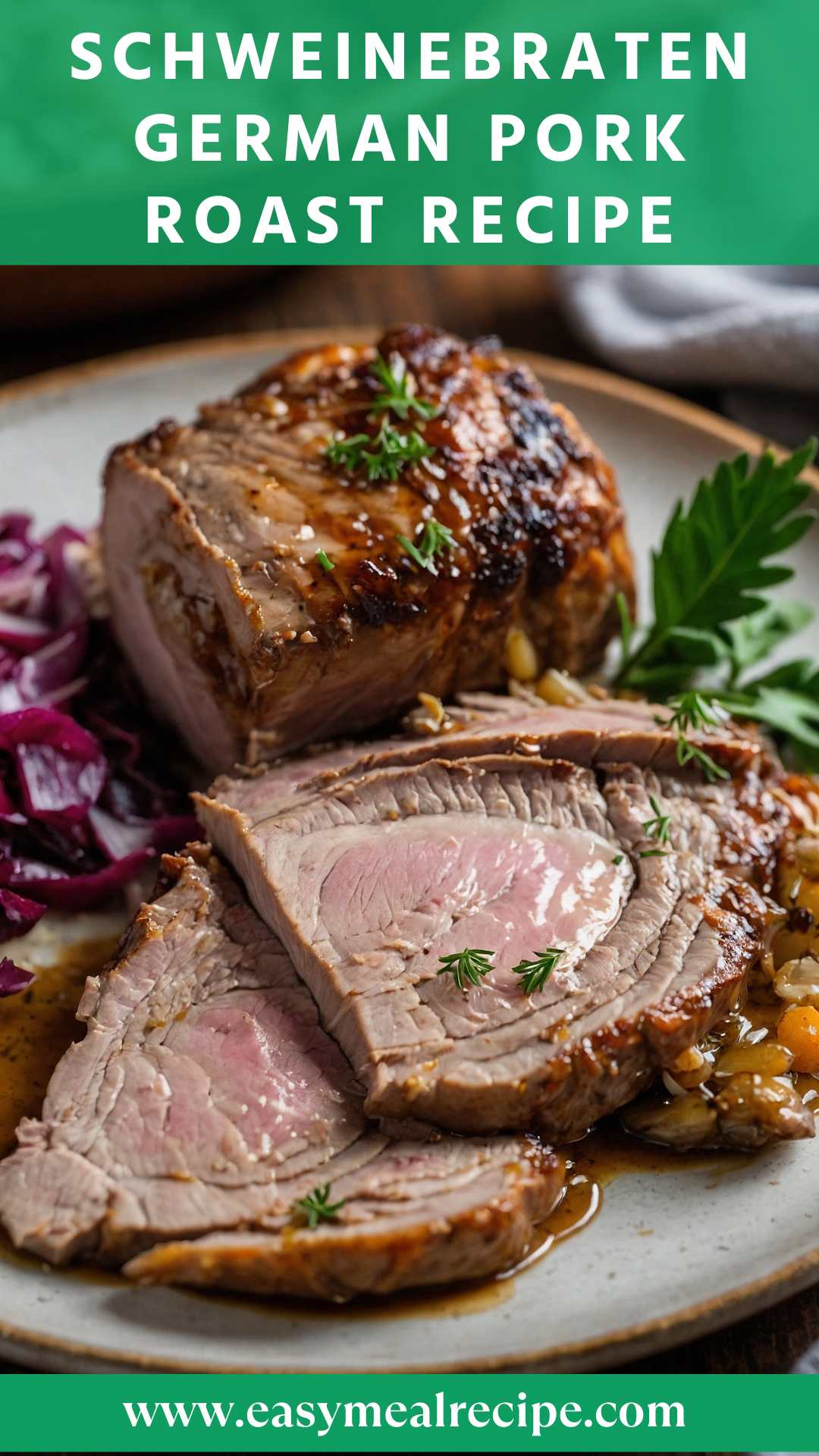
- Slice the pork shoulder and serve it with the thickened sauce drizzled over it. Pair it with your sides of choice, and watch as your family digs in.
Notes
Use High-Quality Beer: The beer is a significant flavor component in this dish. Opt for a robust dark beer like a porter or stout, as it will add depth to the sauce.
Rest the Pork: Don’t skip resting time before slicing the roast. It allows the juices to redistribute throughout the meat.
Experiment with Spices: While caraway is traditional, feel free to add other spices like thyme or fennel for an exciting twist.
Double the Recipe: This roast is fantastic for leftovers. Consider making a larger batch to have meals ready for the week.
Use a Meat Thermometer: For perfect doneness, consider using a thermometer to ensure the internal temperature reaches 190°F for optimal tenderness.
Rest the Pork: Don’t skip resting time before slicing the roast. It allows the juices to redistribute throughout the meat.
Experiment with Spices: While caraway is traditional, feel free to add other spices like thyme or fennel for an exciting twist.
Double the Recipe: This roast is fantastic for leftovers. Consider making a larger batch to have meals ready for the week.
Use a Meat Thermometer: For perfect doneness, consider using a thermometer to ensure the internal temperature reaches 190°F for optimal tenderness.