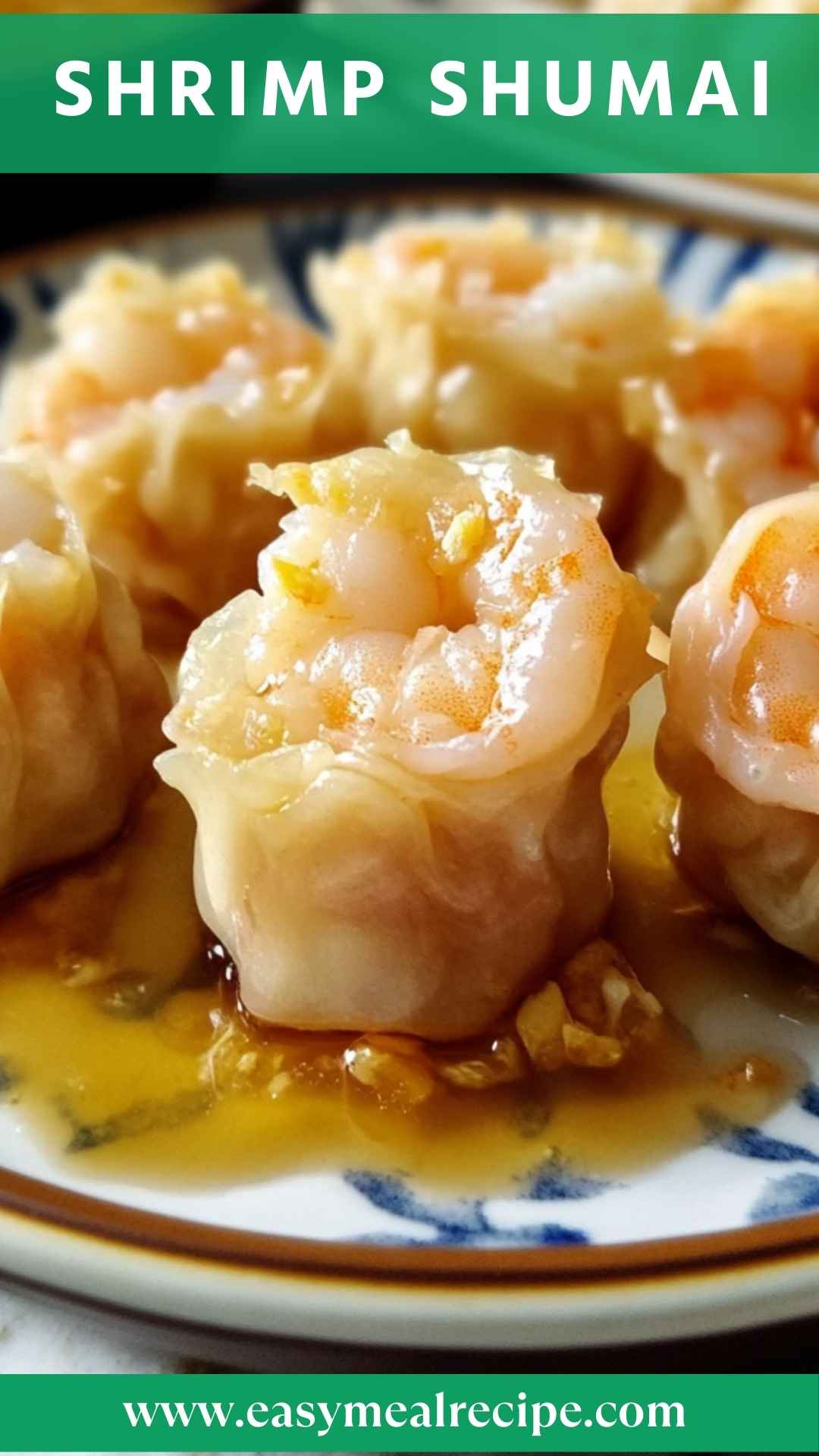
Ingredients
Method
Step 1: Prepare the Filling
- The star of the show is the shrimp. Start by cleaning the shrimp thoroughly. Once that’s done, chop them into small pieces. I often find that coarsely chopping gives the filling a nice texture. Next, mix the chopped shrimp with the minced garlic, ginger, and lemongrass. These ingredients aren’t just there to elevate the taste; they also add a zing that makes your shumai unforgettable. Toss in the soy sauce, rice wine vinegar, toasted sesame oil, sea salt, white pepper, cilantro, and lime zest. The combination of flavors starts dancing together in a bowl. This filling is where the magic happens!
Step 2: Assemble the Shumai
- Get your wonton wrappers ready. I place a wrapper on a clean surface and add about a teaspoon of the shrimp mixture in the middle. Here’s where the fun begins. Fold the wrapper around the filling, pinching the tops to create a little “hat” formation. Don’t worry about them being perfect; think of them as charming little pouches. Repeat the process until you’ve used up all your filling.
Step 3: Steam the Shumai
- Once your shumai are ready, it’s time for the steaming action. Prepare a steamer basket lined with parchment paper to keep the dumplings from sticking—nobody wants a mishap at the end of this delicious journey. Arrange the dumplings in the steamer, making sure they’re not crowded. Cover and steam for about 6-8 minutes. You’ll know they are done when the dumplings turn a beautiful opaque color.
Notes
- Vegetable Shumai: Replace shrimp with finely chopped mushrooms, carrots, or even brussels sprouts. Toss in soy sauce and spices for a plant-based twist.
- Pork Shumai: Substitute shrimp with ground pork, adding a bit of garlic and green onions for an entirely different flavor.
- Spicy Shumai: For those who enjoy a kick, mix in some diced chili or sriracha into the filling.
- Herbed Shumai: Experiment with different herbs. Try Thai basil or mint for a fresh pop that elevates the dish