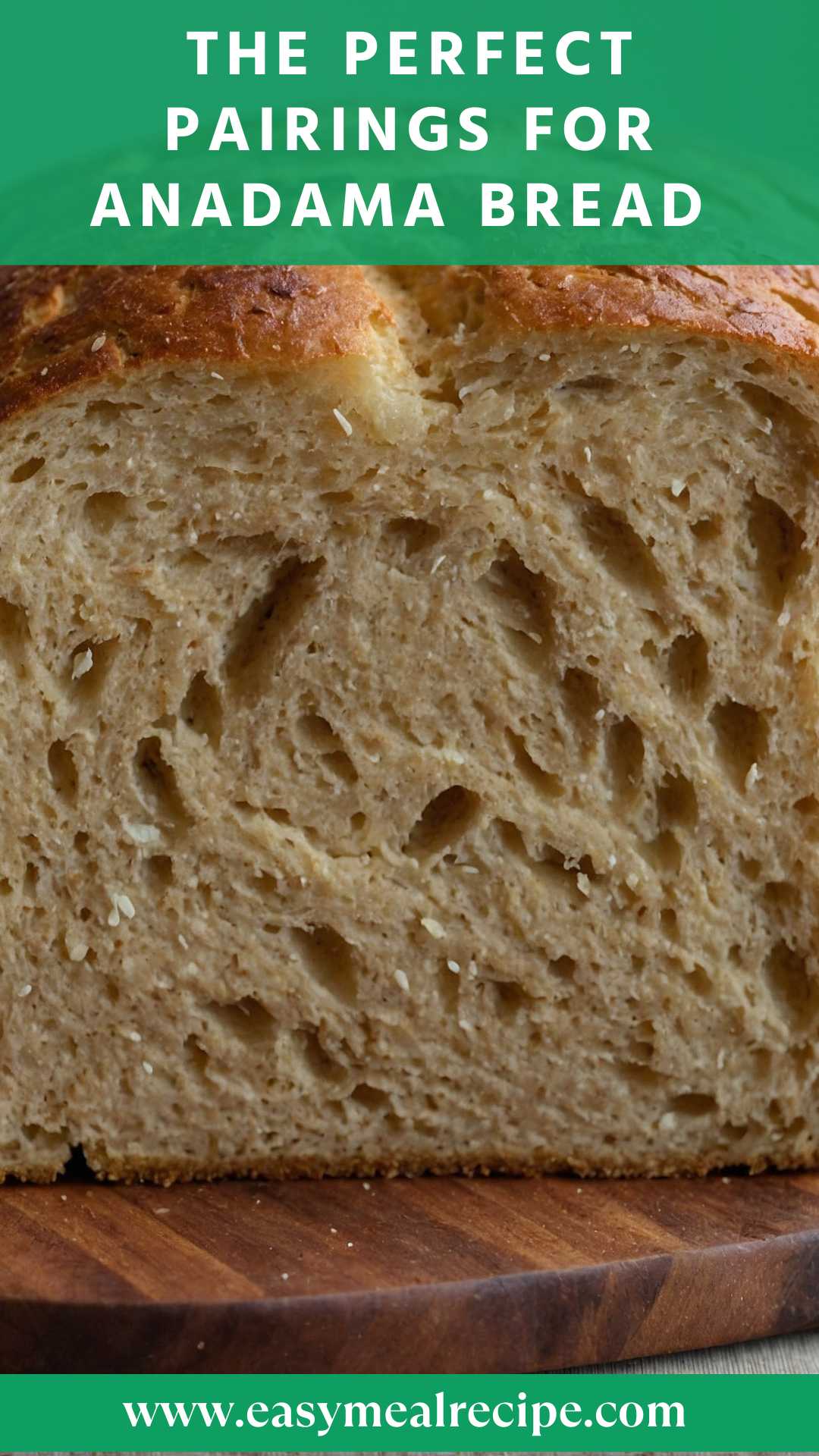
Ingredients
Method
Step 1: Mix the Cornmeal and Liquid
- Start by combining the medium-coarse cornmeal with milk and water in a small saucepan. Place this mixture over medium heat. Stir it gently as you bring it to a simmer. You want to cook until it's thickened. It should resemble a thick porridge. Set it aside to cool.
Step 2: Combine Dry Ingredients
- In a large mixing bowl, whisk together the flour, salt, yeast, and cinnamon. Believe me; the aroma of those spices is enough to excite your taste buds already.
Step 3: Add the Molasses and Butter
- Once your corn mixture has cooled a bit, stir in the molasses and melted butter. This mixture is the heart of your bread, adding richness and flavor.
Step 4: Form the Dough
- Make a well in your dry ingredients, then pour in the corn mixture. Stir until a sticky dough forms. Don’t shy away from getting your hands in there! Knead the dough in the bowl for 2-3 minutes until it becomes a cohesive ball.
Step 5: Let It Rise
- Transfer your dough to a greased bowl, cover it with a damp cloth, and let it rise in a warm place. Give it about an hour, or until it doubles in size. This part can be a bit like watching paint dry, but it’s crucial for that wonderful texture.
Step 6: Shape and Prepare for Baking
- After the dough has risen, gently punch it down. Turn it out onto a floured surface. Shape it into a loaf, tucking the ends underneath for a nice finish. Place it into a greased bread pan. Cover it again, letting it rise for about 30-45 minutes.
Step 7: Bake the Bread
- Preheat your oven to 375°F (190°C). Once the dough has risen again, you’re ready to bake. Place the bread in the oven for about 30-35 minutes. You’ll know it’s done when it sounds hollow when tapped on the bottom.
Step 8: Cool and Serve
- Let the bread cool in the pan for about 10 minutes before transferring it to a wire rack. This is the moment to exercise some patience. Slicing it too soon can ruin that fantastically soft texture.
Notes
1. Use Fresh Ingredients: Always check the yeast’s expiration date. Fresh yeast leads to better rises.
2. Temperature Matters: Ensure your liquids are warm, but not hot. They should feel warm to touch to activate the yeast without cooking it.
3. Don’t Skimp on Kneading: Gently knead the dough. It develops the gluten, which is vital for texture.
4. Watch for Rising: The environment matters. If it’s too cold, the dough might not rise well—consider a warm spot in your kitchen.
5. Store Properly: Let the bread cool completely before storing. This keeps it fresh longer.