
Ingredients
Method
Step 1: Prepare Your Oven and Pork Chops
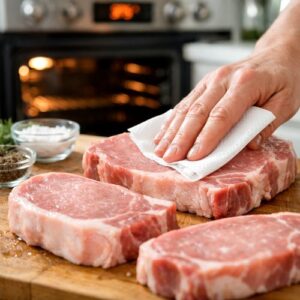
- Start by preheating your oven to 375°F. This is crucial—you want the oven at full temperature before the pork enters. While it heats, pat your pork chops completely dry with paper towels. I cannot stress this enough: moisture is the enemy of browning. When meat is wet, it steams rather than sears, and you'll miss out on those complex Maillard-reaction flavors that make this dish special. Remove the chops from refrigeration 15 minutes before cooking so they're not ice-cold when they hit the hot oil—this ensures even cooking throughout.
Step 2: Season with Cajun Spice Blend
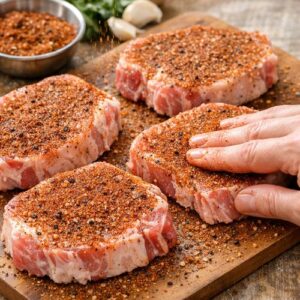
- Generously sprinkle your Cajun seasoning evenly over both sides of each pork chop, pressing gently so it adheres to the meat. Don't be shy—this is your primary flavor foundation. The spice blend typically contains paprika, cayenne, garlic powder, onion powder, oregano, and salt, all working together to create a complex flavor profile. The salt in the seasoning actually begins breaking down muscle proteins immediately, which helps the meat retain moisture during cooking. Let the seasoned chops sit for 5 minutes while you prepare your other components; this allows the spices to begin penetrating the surface.
Step 3: Sear the Pork Chops in High-Heat Oil
- Heat your canola oil in a large oven-safe skillet over medium-high heat until it shimmers—you should see movement across the surface but not smoke. The oil is ready when a drop of water sizzles immediately upon contact. Place the pork chops carefully into the hot oil and resist the urge to move them. Let them sear undisturbed for 4-5 minutes on the first side. This is when the Maillard reaction happens—hundreds of flavor compounds develop as amino acids and sugars react at high temperatures. You'll see the meat change color from pale to golden-brown. Flip carefully and sear the other side for another 4-5 minutes. The internal temperature at this point should reach approximately 120°F (still rare in the center, which is perfect because you'll finish cooking in the oven).
Step 4: Create the Mushroom Sauce Base
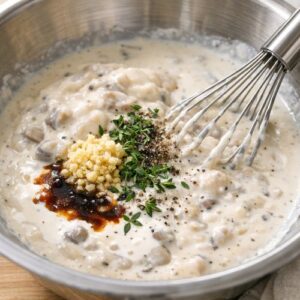
- While the pork is searing, combine your mushroom soup, half-and-half cream, Worcestershire sauce, minced garlic, fresh thyme, and black pepper in a medium mixing bowl, stirring until completely smooth. The soup concentrate may look thick and lumpy—don't worry, the cream smooths it out. The garlic should be minced very finely (use a microplane if you have one) so it distributes evenly and doesn't create large chunks. Taste the sauce at this point and adjust seasoning if needed—remember that it will concentrate slightly during baking as some moisture evaporates.
Step 5: Combine and Begin Braising
- Transfer your beautifully seared pork chops to a plate temporarily. If there's more than 1 tablespoon of oil remaining in the skillet, pour off the excess (we want rich sauce, not greasy). Return the skillet to medium heat and immediately pour your mushroom sauce mixture over the bottom of the pan, scraping any browned bits (called fond) from the surface with a wooden spoon. This fond contains concentrated flavors that will deepen your sauce. Nestle the seared pork chops back into the sauce, then distribute 1 tablespoon of butter across the top—a small dot on each chop. The butter adds richness and helps the sauce emulsify as it heats.
Step 6: Cover and Braise in the Oven
- Cover your skillet tightly with aluminum foil, making sure the foil creates a complete seal around the edges. This traps steam, creating a moist environment that prevents the pork from drying out. Place the skillet in your preheated 375°F oven for 12-15 minutes. The trapped steam will heat the pork chops gently and evenly.
Step 7: Uncover, Flip, and Check Progress
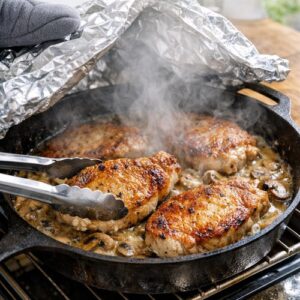
- Carefully remove the skillet from the oven (the foil will be very hot—use oven mitts!) and remove the foil. You'll see steam escaping—that's exactly what you want. Using tongs, flip each pork chop to ensure even cooking. Stir the sauce around the meat gently. At this point, the internal temperature of the chops should be approximately 130-135°F. This is when I insert my instant-read meat thermometer inserted into the thickest part of the meat, not touching the bone.
Step 8: Final Baking Without Cover
- Return the uncovered skillet to the oven for another 10-15 minutes, depending on the thickness of your chops and your oven's accuracy. During this final phase, you're looking for the internal temperature to reach 145°F. At this temperature, the pork retains a slight hint of pink (which is safe according to USDA guidelines) and remains incredibly juicy. The sauce will reduce slightly, becoming more concentrated and glossy. When you're 2 minutes away from reaching 145°F, the residual heat from the hot meat will push the temperature up slightly, so remove it just before it reaches your target.
Step 9: Rest and Serve
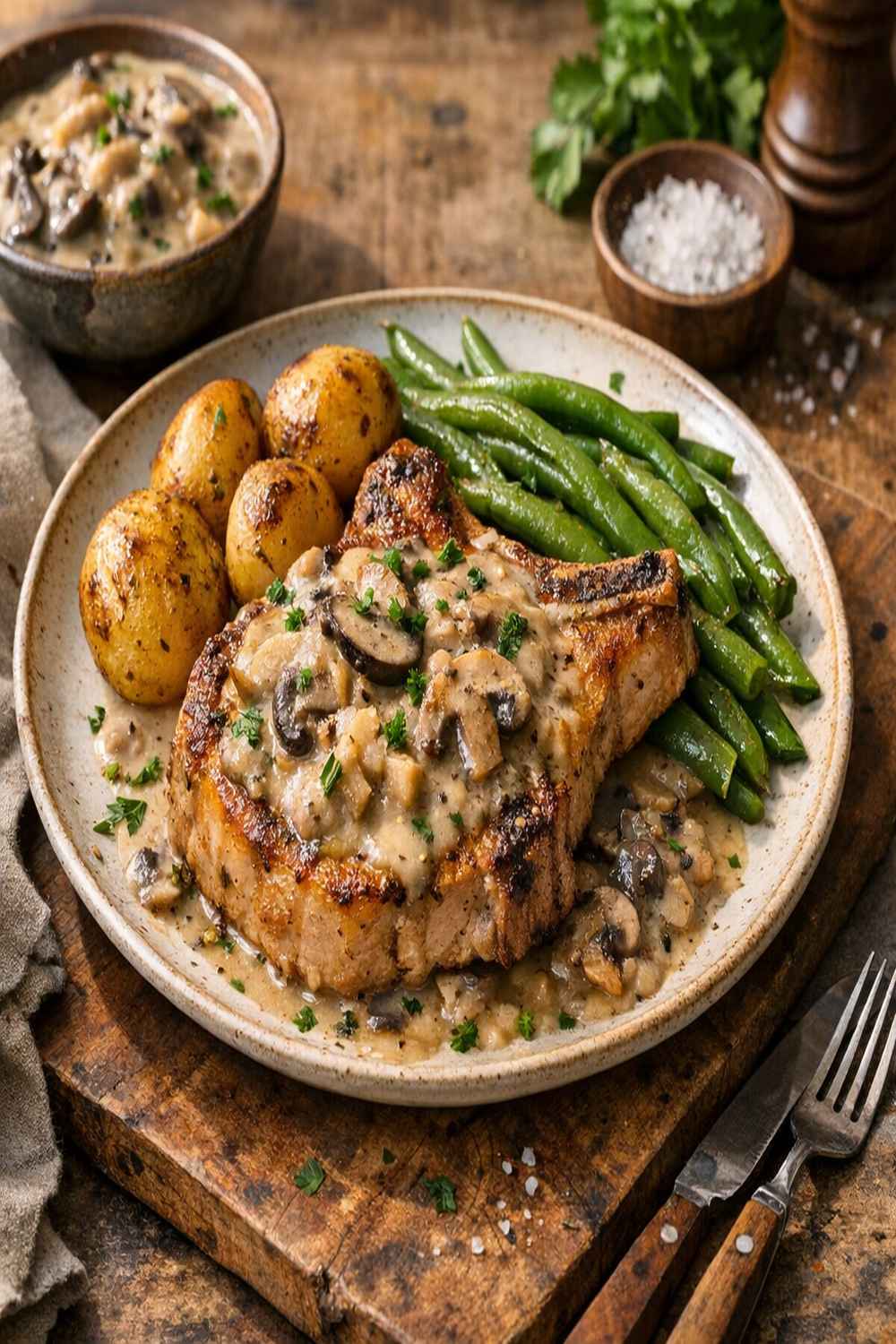
- Remove the skillet from the oven and let it rest for 5 minutes before serving. This is non-negotiable. During rest, the muscle fibers relax and reabsorb the juices that were driven to the surface during cooking. If you cut into the pork immediately, those juices run onto the plate instead of staying in the meat. After resting, carefully transfer each pork chop to a serving plate and spoon the mushroom sauce generously over top. Serve immediately while the sauce is warm and silky.
Notes
- Use an instant-read meat thermometer - The single biggest factor in perfect pork is hitting the exact right temperature. Unlike visual cues (color is unreliable because of the Cajun seasoning), temperature is objective and removes guesswork. Insert the thermometer horizontally into the thickest part of the meat, away from bone
- Never skip the searing step - Home cooks often try to save time by skipping the high-heat searing, going straight to braising. This is a missed opportunity for massive flavor. The Maillard reaction creates compounds that can't be replicated any other way. Those 8-10 minutes transform your dish from "okay" to "restaurant-quality"
- Invest in bone-in chops despite the slight extra cost - Boneless pork chops dry out more easily because they cook faster and unevenly. The bone conducts heat, acts as an insulator, and releases collagen that enriches the sauce. Bone-in chops are worth every penny
- Pat your pork completely dry before seasoning - Surface moisture prevents browning and creates steam instead of crust. Use paper towels and don't be gentle—remove every drop of moisture you can
- Make the sauce while pork sears - This saves time and ensures the sauce is ready the moment you finish browning the meat. You'll maintain momentum and your skillet temperature will stay optimal