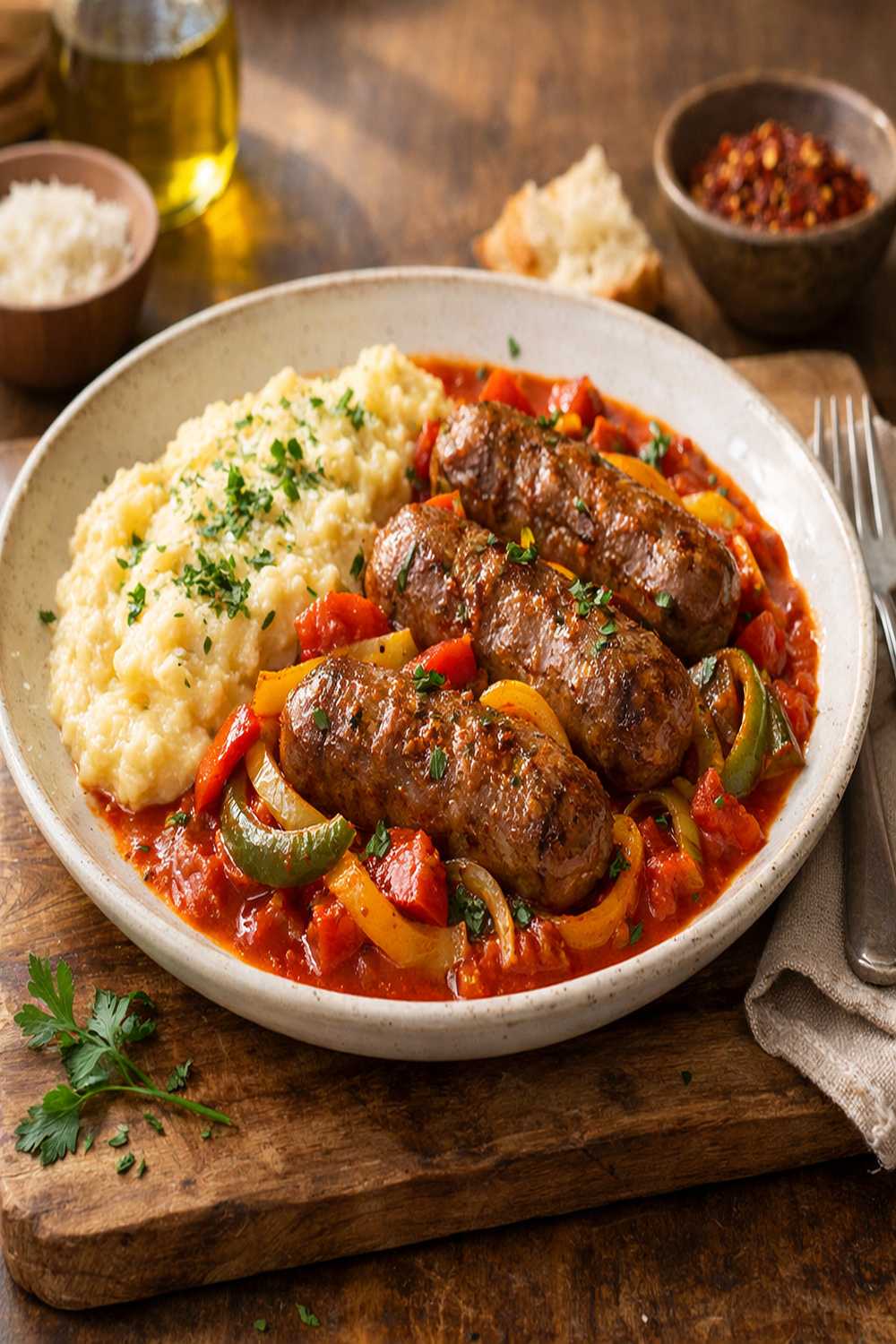

Ingredients
Method
Step 1: Gather Your Ingredients and Measure Everything First
- Before you touch anything, measure out every single spice into small bowls or onto a piece of parchment paper. This is called mise en place (a French term meaning "everything in its place"), and it's the secret that makes professional cooks look so calm and collected. You'll measure your fennel seeds, salt, coriander, garlic powder, paprika, black pepper, crushed red pepper, oregano, and set them near your work station. Pull your ground beef out of the refrigerator so it's at room temperature—this might seem like a small detail, but room-temperature beef mixes more evenly with the spices, creating better flavor distribution. Remove the beef from its packaging and place it in your large mixing bowl.
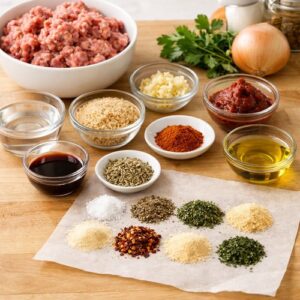
Step 2: Toast Your Fennel Seeds (The Secret That Changes Everything)
- Here's where we create restaurant-quality depth: take a small dry skillet (no oil needed) and place it over medium heat for about 30 seconds. Add your 2 teaspoons of fennel seeds and let them toast for just 60-90 seconds, stirring constantly. You'll know it's ready when the seeds become noticeably fragrant and darken slightly—your kitchen will smell absolutely incredible. This toasting step releases the essential oils in the fennel, intensifying its licorice-like flavor tremendously. Let the seeds cool for about 1 minute, then slightly crush them with the back of a spoon. This isn't about pulverizing them into powder; you just want to crack them open slightly so they release more flavor as you mix.
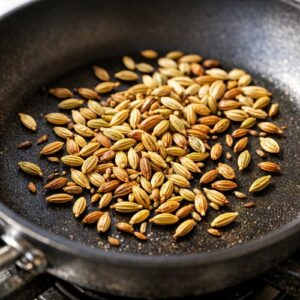
Step 3: Combine All Seasonings with the Ground Beef
- Now for the mixing—and this is important, so listen closely. Add your toasted fennel seeds, salt, coriander, garlic powder, paprika, black pepper, crushed red pepper, and oregano directly to the ground beef. Add your minced fresh parsley last if you're using it. Using your hands (clean hands, please!), gently fold the meat and spices together using a motion where you push from the bottom of the bowl toward the center, rotating the bowl slightly as you go. This folding motion, rather than aggressive squeezing, keeps the meat from becoming overly compacted. You're looking for the spices to be evenly distributed throughout—no white streaks of salt remaining, no spots without flavor. This should take about 3-4 minutes maximum. Stop as soon as the color looks consistent throughout. Overmixing ground beef develops gluten (yes, it's in there!), which makes the final texture dense and tough, and we're going for crumbly and tender.
Step 4: Heat Your Skillet to Medium
- Place your large nonstick skillet on your stovetop and set the heat to medium. Let it preheat for about 2 minutes—you'll know it's ready when you sprinkle a tiny bit of water into the pan and it sizzles immediately. If you're not using nonstick, add just a teaspoon of neutral oil (vegetable or canola oil work perfectly) and tilt the pan to distribute it evenly.

Step 5: Add the Sausage and Break It Into Crumbles
- Carefully add all of your seasoned ground beef to the hot skillet. It will sizzle—that's exactly what you want to hear. Using your wooden spoon or spatula, immediately begin breaking the beef into small, bite-sized crumbles, pressing gently against the side of the skillet to break up any chunks. Don't stir constantly; instead, stir occasionally (every 30 seconds or so), allowing the meat to develop a nice brown color on the bottom before stirring again. This resting period is what creates flavor-building browning through a process called the Maillard reaction—basically, heat plus protein creates delicious caramelization.
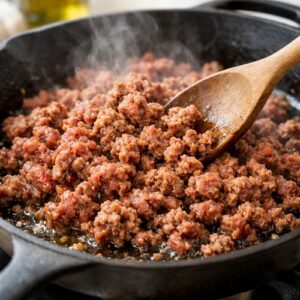
Step 6: Cook Until Fully Done and Beautifully Browned
- Continue cooking for 8-10 minutes total, stirring occasionally, until the beef is no longer pink anywhere and the crumbles are a rich, deep brown color. The sausage should look crumbly and separated, never clumpy. About halfway through cooking, you might notice fat pooling in the bottom of the skillet—this is completely normal and adds flavor, so don't drain it unless there's an excessive amount (like more than a quarter-inch of liquid fat). If you're using a meat thermometer, insert it into the largest crumble; it should read 160°F, which is the USDA's safe internal temperature for ground beef. The sausage will also smell absolutely incredible at this point—fragrant, slightly smoky, with that distinctive Italian sausage aroma coming through perfectly.

Step 7: Taste and Adjust
- Once your sausage is fully cooked, let it cool for just 1 minute, then taste a small piece (carefully—it's hot!). Does it need more salt? More heat? Taste is personal, and this is your moment to adjust. If you want it spicier, add a tiny pinch more crushed red pepper. If it needs more salt, sprinkle a little kosher salt over the top and stir. If you want more fennel flavor (that licorice-like note), you can't add more now, but you'll know for next time to increase the fennel. Remember these adjustments for your next batch.
Notes
- ½ teaspoon ground coriander (found in the spice aisle; it adds a subtle citrus note without being obvious)
- 2 pounds ground beef (80/20 blend works beautifully—the fat is essential for flavor and texture)
- ½ teaspoon freshly ground black pepper (freshly ground makes a noticeable difference compared to pre-ground)
- ½ teaspoon dried oregano (adds herbal complexity without overpowering)
- 1 teaspoon salt (use kosher salt if possible; it dissolves more evenly than table salt)
- 1 tablespoon fresh Italian parsley, finely minced (optional but transformative for brightness)