Beef Italian Sausage Recipe
Last Updated on July 22, 2026
This post contains affiliate links. As an Amazon Associate I earn from qualifying purchases.
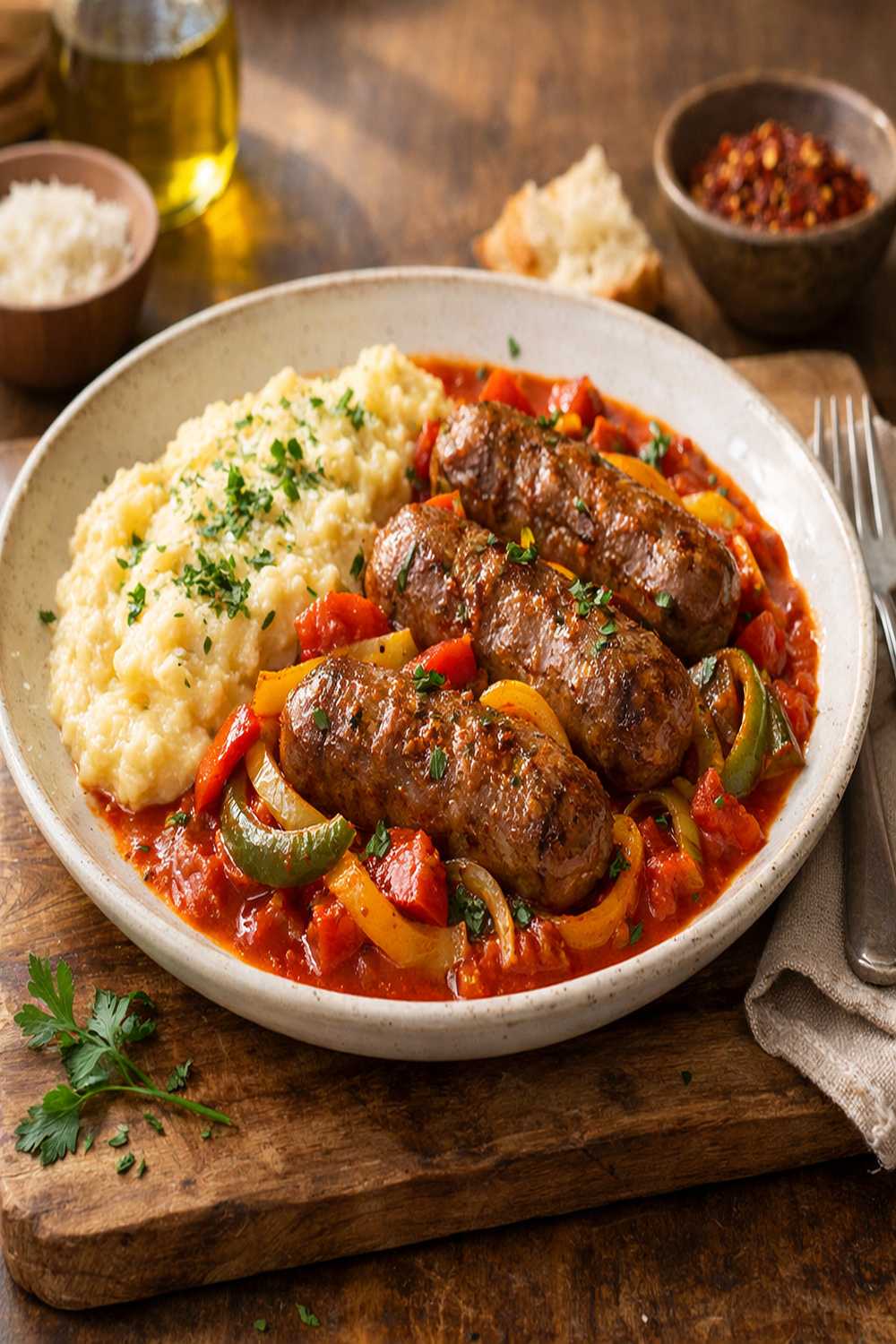
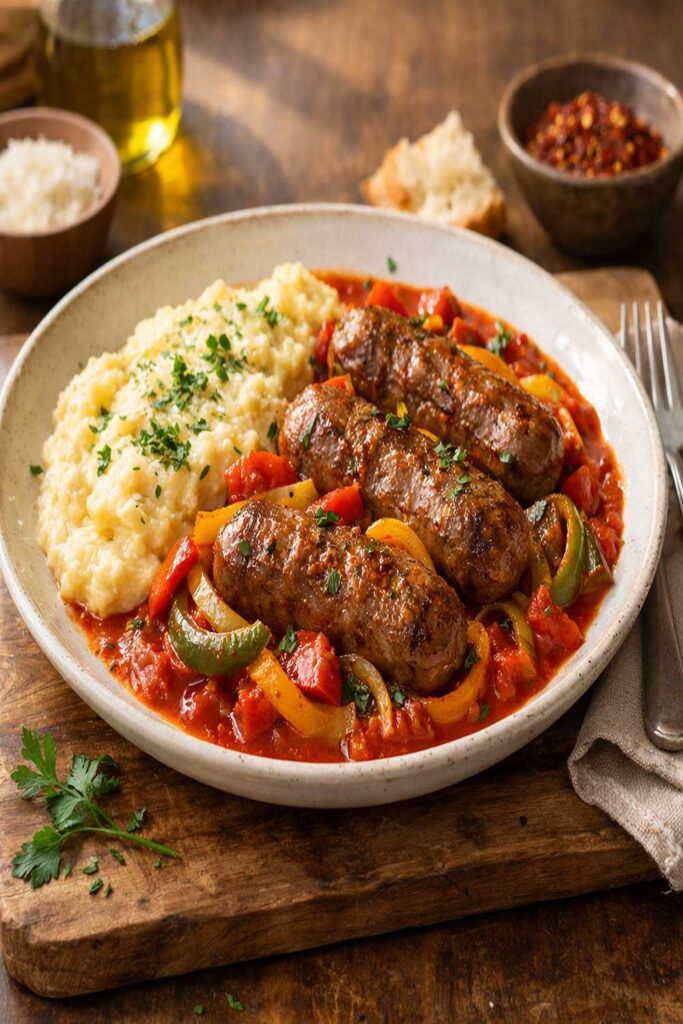
If you’ve always wanted to make beef Italian sausage recipe but felt intimidated by the spice blend or worried about getting the texture just right, this is your starting point. I’m here to tell you that creating authentic Italian sausage at home is not only possible—it’s genuinely easier than you think, and the flavor difference compared to store-bought will absolutely blow your mind. This recipe transforms simple ground beef into something so aromatic and delicious that you’ll wonder why you ever bought pre-made sausage again. Whether you’re planning to stuff it into calzone dough or layer it into a hearty cheese pasta bake, this homemade version will elevate your entire meal.
How to Make Beef Italian Sausage Recipe for the First Time (You’ve Got This)
I’ll never forget the first time I attempted to make Italian sausage from scratch. I was watching my grandmother in her Texas kitchen—she wasn’t Italian, but she had this magical way of borrowing flavors from everywhere and making them her own. She grabbed fennel seeds from her spice rack (which honestly, I’d never heard of before), toasted them lightly in a dry pan, and the kitchen suddenly smelled like an Italian grandmother’s kitchen. That aroma completely changed my understanding of what “homemade” could mean. I was nervous about getting the proportions right, about whether the sausage would taste authentic, but she just smiled and said, “Honey, trust your nose and your hands. They’ll tell you when it’s right.” That lesson stuck with me through my entire career as a registered dietitian, and I’m passing it directly to you now.
What to Expect Before You Start
This recipe takes about 15 minutes total—mixing and cooking combined. The difficulty level is absolutely beginner-friendly; honestly, if you can brown ground beef, you can make this. You’ll need minimal equipment (just a bowl and a skillet), and success looks like beautifully browned, crumbly sausage with an incredible aroma that fills your entire kitchen. The texture should be loose and crumbly, never dense or clumpy, and the color should shift from pink to rich brown as it cooks.
- Mixing time is incredibly fast – Once you combine the beef with the spices, you’re looking at maybe 3-4 minutes of gentle mixing. Don’t overthink this step; overmixing ground beef makes it dense and tough, which is the opposite of what we want here.
- Cooking intimidation is completely unfounded – Beginners often worry they’ll burn the sausage or undercook it. The truth? You’re cooking it low and slow over medium heat with occasional stirring. It’s honestly more forgiving than regular ground beef because the fat content keeps everything moist.
Equipment You’ll Need (And What You Can Skip)
Honestly, this recipe requires almost nothing fancy. I’ve made Italian sausage in my smallest apartment kitchen with basic tools, and in my current Texas kitchen with more equipment—the results are identical because the technique matters more than the gear.
- One large mixing bowl – This is your only essential piece. A ceramic, glass, or stainless steel bowl works perfectly. If you don’t have a large one, a medium bowl works fine; you’ll just have slightly less elbow room.
- One large nonstick skillet – This is genuinely helpful because it prevents sticking, but a regular stainless steel or cast iron skillet works too (just add a tiny drizzle of oil). You need something with at least a 10-inch diameter to give the sausage room to brown.
- A wooden spoon or silicone spatula – Use whichever you prefer. I’m partial to wooden spoons because they feel intentional and won’t scratch your skillet, but silicone is easier to clean.
- A meat thermometer (optional but recommended) – This removes all guesswork about doneness. Digital instant-read thermometers are inexpensive and honestly one of the best kitchen investments I’ve made in my dietetics practice.
The Ingredients – A Beginner’s Shopping Guide
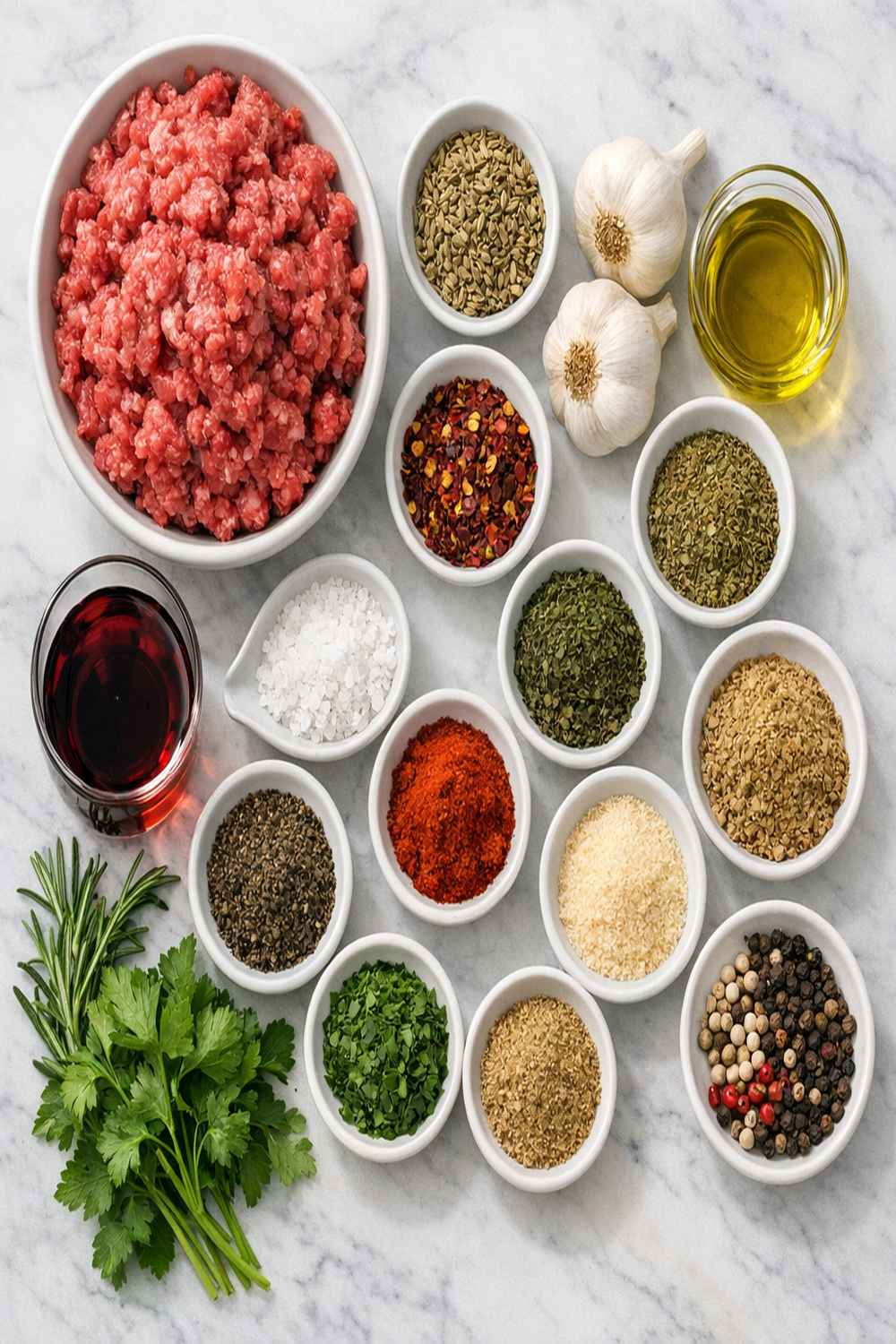
Every single ingredient in this recipe serves a specific purpose—there are no fillers here, just pure, intentional flavor-building. Let me walk you through exactly what to buy and where to find each item, because I know that navigating the spice aisle can feel overwhelming if you’ve never made Italian sausage before.
- ½ teaspoon ground coriander (found in the spice aisle; it adds a subtle citrus note without being obvious)
- 2 pounds ground beef (80/20 blend works beautifully—the fat is essential for flavor and texture)
- ½ teaspoon freshly ground black pepper (freshly ground makes a noticeable difference compared to pre-ground)
- ½ teaspoon dried oregano (adds herbal complexity without overpowering)
- 1 teaspoon salt (use kosher salt if possible; it dissolves more evenly than table salt)
- 1 tablespoon fresh Italian parsley, finely minced (optional but transformative for brightness)
- ½ teaspoon garlic powder (make sure it’s powder, not garlic salt, and check the expiration date because stale spices lose their punch)
- 2 teaspoons fennel seed (whole seeds, not ground; look in the spice section and you’ll recognize them by their small, oval shape and slight greenish color)
- ½ teaspoon smoked paprika (Spanish paprika if you can find it; the smokiness adds incredible depth)
- ¾ teaspoon crushed red pepper (adjust this based on your heat preference; start at the lower end if you’re heat-sensitive)
Step-by-Step: Your First Beef Italian Sausage Recipe
Here we go, friend. I’m going to walk you through every single step like I’m standing right there in your kitchen with you. You’re going to do this perfectly because you’re going to understand not just what to do, but why we’re doing it that way. Let’s create some magic.
Step 1: Gather Your Ingredients and Measure Everything First
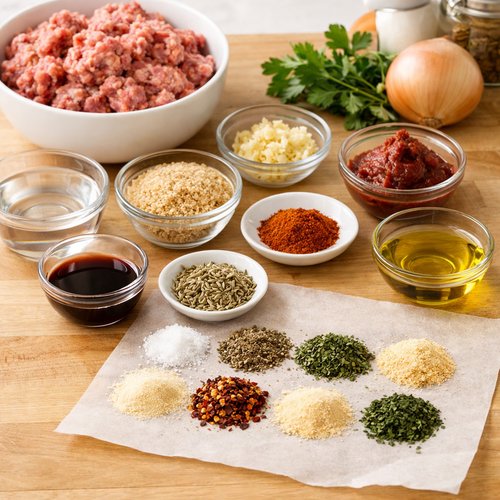
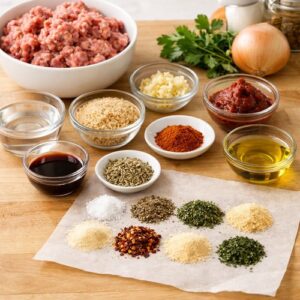
Before you touch anything, measure out every single spice into small bowls or onto a piece of parchment paper. This is called mise en place (a French term meaning “everything in its place”), and it’s the secret that makes professional cooks look so calm and collected. You’ll measure your fennel seeds, salt, coriander, garlic powder, paprika, black pepper, crushed red pepper, oregano, and set them near your work station. Pull your ground beef out of the refrigerator so it’s at room temperature—this might seem like a small detail, but room-temperature beef mixes more evenly with the spices, creating better flavor distribution. Remove the beef from its packaging and place it in your large mixing bowl.
Step 2: Toast Your Fennel Seeds (The Secret That Changes Everything)
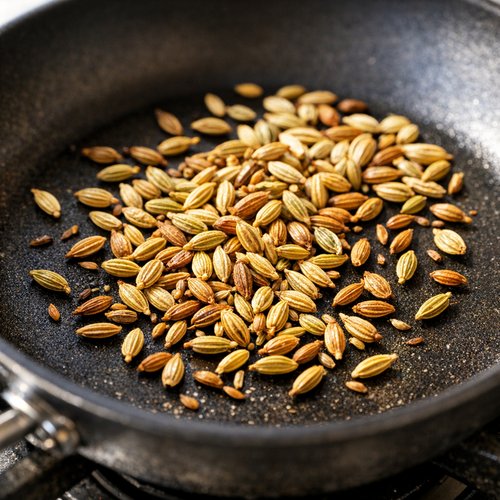
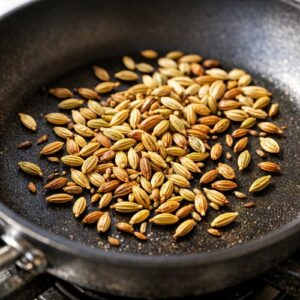
Here’s where we create restaurant-quality depth: take a small dry skillet (no oil needed) and place it over medium heat for about 30 seconds. Add your 2 teaspoons of fennel seeds and let them toast for just 60-90 seconds, stirring constantly. You’ll know it’s ready when the seeds become noticeably fragrant and darken slightly—your kitchen will smell absolutely incredible. This toasting step releases the essential oils in the fennel, intensifying its licorice-like flavor tremendously. Let the seeds cool for about 1 minute, then slightly crush them with the back of a spoon. This isn’t about pulverizing them into powder; you just want to crack them open slightly so they release more flavor as you mix.
Step 3: Combine All Seasonings with the Ground Beef
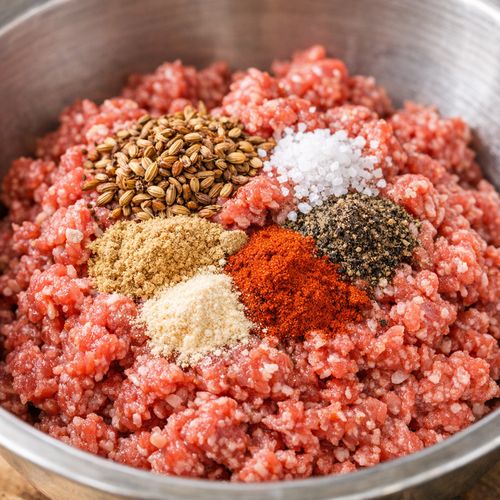
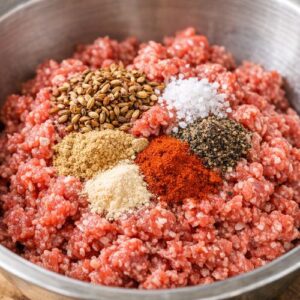
Now for the mixing—and this is important, so listen closely. Add your toasted fennel seeds, salt, coriander, garlic powder, paprika, black pepper, crushed red pepper, and oregano directly to the ground beef. Add your minced fresh parsley last if you’re using it. Using your hands (clean hands, please!), gently fold the meat and spices together using a motion where you push from the bottom of the bowl toward the center, rotating the bowl slightly as you go. This folding motion, rather than aggressive squeezing, keeps the meat from becoming overly compacted. You’re looking for the spices to be evenly distributed throughout—no white streaks of salt remaining, no spots without flavor. This should take about 3-4 minutes maximum. Stop as soon as the color looks consistent throughout. Overmixing ground beef develops gluten (yes, it’s in there!), which makes the final texture dense and tough, and we’re going for crumbly and tender.
Step 4: Heat Your Skillet to Medium
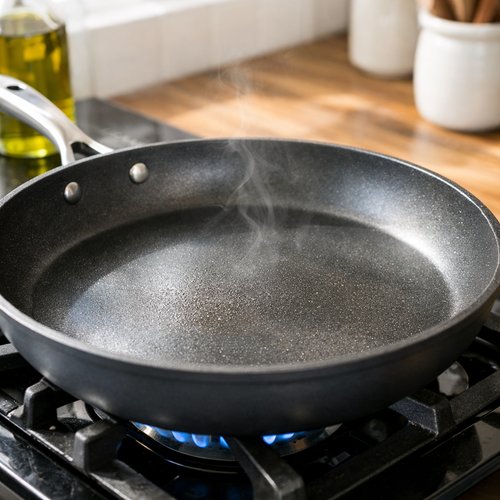
Place your large nonstick skillet on your stovetop and set the heat to medium. Let it preheat for about 2 minutes—you’ll know it’s ready when you sprinkle a tiny bit of water into the pan and it sizzles immediately. If you’re not using nonstick, add just a teaspoon of neutral oil (vegetable or canola oil work perfectly) and tilt the pan to distribute it evenly.
Step 5: Add the Sausage and Break It Into Crumbles
Carefully add all of your seasoned ground beef to the hot skillet. It will sizzle—that’s exactly what you want to hear. Using your wooden spoon or spatula, immediately begin breaking the beef into small, bite-sized crumbles, pressing gently against the side of the skillet to break up any chunks. Don’t stir constantly; instead, stir occasionally (every 30 seconds or so), allowing the meat to develop a nice brown color on the bottom before stirring again. This resting period is what creates flavor-building browning through a process called the Maillard reaction—basically, heat plus protein creates delicious caramelization.
Step 6: Cook Until Fully Done and Beautifully Browned
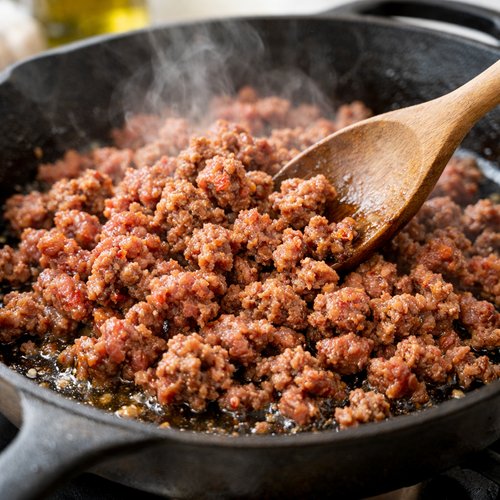
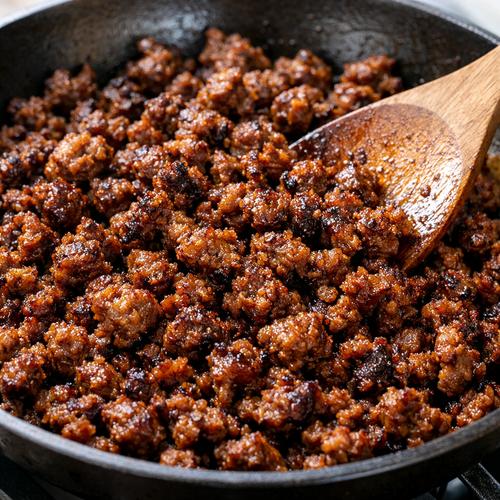
Continue cooking for 8-10 minutes total, stirring occasionally, until the beef is no longer pink anywhere and the crumbles are a rich, deep brown color. The sausage should look crumbly and separated, never clumpy. About halfway through cooking, you might notice fat pooling in the bottom of the skillet—this is completely normal and adds flavor, so don’t drain it unless there’s an excessive amount (like more than a quarter-inch of liquid fat). If you’re using a meat thermometer, insert it into the largest crumble; it should read 160°F, which is the USDA’s safe internal temperature for ground beef. The sausage will also smell absolutely incredible at this point—fragrant, slightly smoky, with that distinctive Italian sausage aroma coming through perfectly.
Step 7: Taste and Adjust
Once your sausage is fully cooked, let it cool for just 1 minute, then taste a small piece (carefully—it’s hot!). Does it need more salt? More heat? Taste is personal, and this is your moment to adjust. If you want it spicier, add a tiny pinch more crushed red pepper. If it needs more salt, sprinkle a little kosher salt over the top and stir. If you want more fennel flavor (that licorice-like note), you can’t add more now, but you’ll know for next time to increase the fennel. Remember these adjustments for your next batch.
How to Tell If You Did It Right
Success leaves clues, and here’s exactly what you’re looking for at each stage of this recipe:
- After mixing – The color should look consistent throughout, with no visible streaks of salt or dried spices. The beef should feel slightly sticky from its natural moisture, not dry or crumbly.
- While cooking – You should smell licorice, garlic, and slightly smoky/paprika notes immediately when the beef hits the hot skillet. The sausage should be releasing its aroma, filling your kitchen with that unmistakable Italian sausage fragrance.
- When fully cooked – The meat should be completely brown with no pink remaining anywhere. Crumbles should be separated and distinct, not clumpy or paste-like. The internal temperature should reach 160°F on a meat thermometer.
- Taste check – The flavor should be savory and complex, with spice notes building (the fennel and coriander), a slight heat from the red pepper, and an overall aroma that’s distinctly Italian sausage.
What Went Wrong? Beginner Fixes
- The sausage is too dense and clumpy – This happens from overmixing. Next time, mix just until you can’t see any white streaks of salt. If it happened this time, it’s still delicious; just break it up extra-fine while cooking. Use this batch in pasta sauce or burritos where the texture matters less.
- It’s still slightly pink inside after 10 minutes – Your heat might be too low, or the sausage was very cold when it went in. Keep cooking, stirring occasionally, until it’s fully brown. If you have a thermometer, just watch for 160°F. For future batches, let your beef sit at room temperature for 20 minutes before cooking.
- The kitchen smells burned or bitter – Your heat is too high. Turn it down to medium-low immediately and stir more frequently to prevent the bottom from scorching. The beautiful browning should smell savory and appetizing, never acrid.
- It tastes flat, like regular ground beef – You either skipped toasting the fennel seeds (do this next time—it makes a huge difference!) or your spices are old. Spices lose potency over time. Check your paprika and oregano; if they’re over a year old, replace them.
Your Next Steps After Mastering This
Congratulations! You’ve just learned one of the most fundamental cooking skills: building complex flavor through spice balance and proper browning technique. These exact skills transfer directly to creating your own seasoning blends for everything from taco meat to chili. Now that you’ve mastered this sausage, you’re ready for recipes that use it as a base ingredient. Try stuffing it into beef burritos, layering it into a hearty cheese pasta bake, or even incorporating it into a sophisticated calzone dough creation. You’ve also learned the importance of mise en place, temperature control, and how to develop flavor through browning—these are professional-level techniques that will elevate every savory dish you make from now on.
Expert’s Nutritional Insight: Understanding the Fennel Seed Magic
As a registered dietitian, I have to tell you that fennel seeds aren’t just about flavor—they’re genuinely good for you. Fennel contains anethole, a compound that aids digestion and has mild anti-inflammatory properties. When you toast fennel seeds, you’re actually increasing the bioavailability of its beneficial compounds. This is why traditional Italian cuisine uses fennel in sausage so prominently; generations of cooks intuitively understood that this spice combination was both delicious and beneficial for digestion. The 80/20 ground beef ratio I recommend provides complete protein with all essential amino acids while maintaining enough fat for satiety and nutrient absorption. This is genuinely balanced comfort food.
Make-Ahead Guide: Meal Prep Like a Pro
Raw sausage mixture: You can prepare the seasoned beef up to 24 hours ahead. Mix everything according to Step 3, then store in an airtight container in the refrigerator. Cook it whenever you’re ready. This is perfect for busy weeknight planning.
Cooked sausage: Once fully cooked and cooled to room temperature, store in an airtight container in the refrigerator for up to 4 days. You can reheat it quickly in a skillet over medium heat with just a splash of water, or even in the microwave on 50% power for about 2 minutes. For longer storage, freeze the cooked sausage in portion-sized freezer bags for up to 3 months. Thaw overnight in the refrigerator before reheating, or reheat directly from frozen (just add an extra minute to cooking time).
Pro tip from my kitchen: I freeze my cooked sausage in ice cube trays. Once solid, I pop out the cubes and store them in a gallon freezer bag. This way, I can grab exactly what I need for a quick pasta sauce or a breakfast scramble without thawing an entire batch.
Can I Store Beef Italian Sausage Recipe?
Absolutely! Here’s exactly how to keep your homemade sausage fresh and ready to use.
Refrigerator storage: Cooked sausage lasts up to 4 days in an airtight container. Let it cool completely before storing—warm food can create condensation, which promotes bacterial growth. Store it in glass containers if possible, as they don’t absorb odors the way plastic can.
Freezer storage: Cooked sausage freezes beautifully for up to 3 months. I recommend freezing it in small portions (either in ice cube trays or flat in a freezer bag) so you only thaw what you need. Properly frozen sausage will maintain its quality for up to three months, though the earlier you use it, the better the flavor.
Raw sausage mixture: Store seasoned but uncooked sausage in the refrigerator for a maximum of 24 hours before cooking. Don’t freeze raw seasoned beef; the moisture and spices can separate during freezing.
Reheating: Thaw frozen sausage overnight in the refrigerator, then reheat gently in a skillet over medium-low heat with a splash of water, stirring occasionally, until warmed through (about 3-4 minutes). You can also reheat from frozen by adding an extra minute or two to the cooking time.
Nutrition Information
This recipe yields approximately 8 servings (about ½ cup each). Per serving: Calories: 285 | Protein: 24g | Fat: 22g | Saturated Fat: 9g | Carbohydrates: 1g | Fiber: 0g | Sodium: 420mg. Based on USDA nutritional database calculations using 80/20 ground beef and measured spice amounts.
The protein content makes this excellent for muscle maintenance and recovery, while the complete amino acid profile (from the beef) supports overall body function. The fat, primarily from the beef itself, is essential for nutrient absorption of fat-soluble vitamins A, D, E, and K. The sodium content comes entirely from the salt; this is mild compared to most processed sausages, giving you control over your sodium intake. This is genuinely nutrient-dense comfort food.
What Can I Serve With Beef Italian Sausage Recipe?
This homemade sausage is incredibly versatile. Here are my favorite ways to use it:
- Stuffed into calzone dough – The sausage is already seasoned and cooked, so it’s the perfect base for a sophisticated dinner. Check out my calzone dough recipe for the perfect pairing.
- Layered into pasta dishes – This sausage is made for pasta. My cheese pasta bake recipe becomes restaurant-quality when you use homemade sausage instead of store-bought links.
- In hearty breakfast scrambles – Pair it with eggs, peppers, and onions for a breakfast that actually keeps you full.
- As a base for marinara sauce – Brown the sausage, add crushed tomatoes and garlic, and simmer for 20 minutes for an incredible pasta sauce that tastes like you’ve been cooking all day.
- Mixed into beef tacos or burritos – The spice blend is perfect for Mexican-inspired dishes. It adds depth that standard taco seasoning can’t match.
- In soups and stews – This sausage adds incredible flavor to bean soups, minestrone, or hearty vegetable stews.
- On top of polenta or creamy risotto – The sausage acts as a sophisticated garnish, providing texture and bold flavor to creamy bases.

Beef Italian Sausage Recipe
Ingredients
Method
- Before you touch anything, measure out every single spice into small bowls or onto a piece of parchment paper. This is called mise en place (a French term meaning "everything in its place"), and it's the secret that makes professional cooks look so calm and collected. You'll measure your fennel seeds, salt, coriander, garlic powder, paprika, black pepper, crushed red pepper, oregano, and set them near your work station. Pull your ground beef out of the refrigerator so it's at room temperature—this might seem like a small detail, but room-temperature beef mixes more evenly with the spices, creating better flavor distribution. Remove the beef from its packaging and place it in your large mixing bowl.
- Here's where we create restaurant-quality depth: take a small dry skillet (no oil needed) and place it over medium heat for about 30 seconds. Add your 2 teaspoons of fennel seeds and let them toast for just 60-90 seconds, stirring constantly. You'll know it's ready when the seeds become noticeably fragrant and darken slightly—your kitchen will smell absolutely incredible. This toasting step releases the essential oils in the fennel, intensifying its licorice-like flavor tremendously. Let the seeds cool for about 1 minute, then slightly crush them with the back of a spoon. This isn't about pulverizing them into powder; you just want to crack them open slightly so they release more flavor as you mix.
- Now for the mixing—and this is important, so listen closely. Add your toasted fennel seeds, salt, coriander, garlic powder, paprika, black pepper, crushed red pepper, and oregano directly to the ground beef. Add your minced fresh parsley last if you're using it. Using your hands (clean hands, please!), gently fold the meat and spices together using a motion where you push from the bottom of the bowl toward the center, rotating the bowl slightly as you go. This folding motion, rather than aggressive squeezing, keeps the meat from becoming overly compacted. You're looking for the spices to be evenly distributed throughout—no white streaks of salt remaining, no spots without flavor. This should take about 3-4 minutes maximum. Stop as soon as the color looks consistent throughout. Overmixing ground beef develops gluten (yes, it's in there!), which makes the final texture dense and tough, and we're going for crumbly and tender.
- Place your large nonstick skillet on your stovetop and set the heat to medium. Let it preheat for about 2 minutes—you'll know it's ready when you sprinkle a tiny bit of water into the pan and it sizzles immediately. If you're not using nonstick, add just a teaspoon of neutral oil (vegetable or canola oil work perfectly) and tilt the pan to distribute it evenly.

- Carefully add all of your seasoned ground beef to the hot skillet. It will sizzle—that's exactly what you want to hear. Using your wooden spoon or spatula, immediately begin breaking the beef into small, bite-sized crumbles, pressing gently against the side of the skillet to break up any chunks. Don't stir constantly; instead, stir occasionally (every 30 seconds or so), allowing the meat to develop a nice brown color on the bottom before stirring again. This resting period is what creates flavor-building browning through a process called the Maillard reaction—basically, heat plus protein creates delicious caramelization.
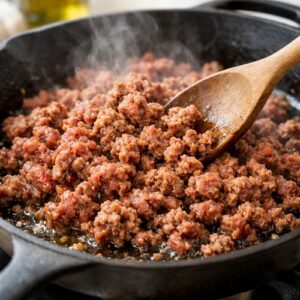
- Continue cooking for 8-10 minutes total, stirring occasionally, until the beef is no longer pink anywhere and the crumbles are a rich, deep brown color. The sausage should look crumbly and separated, never clumpy. About halfway through cooking, you might notice fat pooling in the bottom of the skillet—this is completely normal and adds flavor, so don't drain it unless there's an excessive amount (like more than a quarter-inch of liquid fat). If you're using a meat thermometer, insert it into the largest crumble; it should read 160°F, which is the USDA's safe internal temperature for ground beef. The sausage will also smell absolutely incredible at this point—fragrant, slightly smoky, with that distinctive Italian sausage aroma coming through perfectly.

- Once your sausage is fully cooked, let it cool for just 1 minute, then taste a small piece (carefully—it's hot!). Does it need more salt? More heat? Taste is personal, and this is your moment to adjust. If you want it spicier, add a tiny pinch more crushed red pepper. If it needs more salt, sprinkle a little kosher salt over the top and stir. If you want more fennel flavor (that licorice-like note), you can't add more now, but you'll know for next time to increase the fennel. Remember these adjustments for your next batch.
Notes
FAQs
Can I use ground turkey or ground chicken instead of beef?
You absolutely can, though the flavor profile changes slightly. Ground turkey is leaner, so you’ll lose some of the richness that makes Italian sausage special. If you go this route, I recommend adding 1-2 tablespoons of finely minced pancetta or a teaspoon of fennel-infused oil to compensate for the missing fat. Chicken is even leaner, so it becomes more of a “chicken sausage” than traditional Italian sausage. Both work beautifully; they’re just different. Start with the beef version first to understand the classic flavor, then experiment once you’re confident.
My fennel seeds are ground, not whole. Can I still use them?
Yes, you can, but the flavor will be more intense and slightly less nuanced. Use only 1½ teaspoons instead of 2 teaspoons because ground fennel disperses more thoroughly and tastes stronger. You don’t need to toast ground fennel—just add it directly to the beef. The flavor will be good, though not quite as sophisticated as the whole seed version. If you can, grab whole fennel seeds next time you’re shopping; they’re inexpensive and last forever in your spice cabinet.
The recipe calls for room-temperature beef. What if I forgot to take it out?
It’ll still work fine, though cold beef takes slightly longer to mix evenly. Just add a minute or two to your mixing time, or let the beef sit at room temperature for 15-20 minutes before you start. Cold beef can also cook unevenly—one part might brown while another part stays pale—so stir a bit more frequently if it comes straight from the refrigerator. Not a deal-breaker; just something to know.
Can I add other ingredients like fennel bulb, fresh garlic, or breadcrumbs?
Fresh garlic would overpower the more delicate flavors of the toasted fennel and coriander, so I don’t recommend it. Finely minced fennel bulb could work in small amounts (maybe ¼ cup, minced very fine), though it adds moisture, which might make the sausage less crumbly. Breadcrumbs aren’t necessary for texture here, and they’d dilute the flavor intensity. This recipe is intentionally minimalist—just meat and spices. If you want to add vegetables or breadcrumbs, you’re really making a ground meat mixture rather than true sausage. Try the recipe as written first, then experiment once you understand the baseline.
What if I want less heat? Can I reduce the crushed red pepper?
Absolutely! Taste is completely personal. Start with ¼ teaspoon crushed red pepper, taste it while it’s cooking, and add more if you want additional heat. You can always add more spice, but you can’t take it out. If you don’t like any heat at all, just omit the red pepper entirely—the sausage will still be delicious, just with a milder flavor profile. Write down your preferred amount so you remember next time.
Can I make this in bulk and freeze it?
Yes! This is one of my favorite meal-prep strategies. Double or triple the recipe, cook it all at once, let it cool completely, then portion it into freezer bags or containers. Freeze for up to 3 months. I like freezing in ice cube trays first, then transferring the cubes to a gallon freezer bag—this way you can grab exactly what you need without thawing a huge batch. Thaw overnight in the refrigerator, or reheat directly from frozen (just add a minute or two). Bulk-made sausage is one of my secret weapons for effortless weeknight dinners.
Seasonal Variations
Spring version: Add 1 tablespoon fresh mint, finely minced, along with your parsley. The brightness is absolutely refreshing when you’re craving lighter meals but still want that sausage complexity.
Summer version: Reduce the crushed red pepper to ¼ teaspoon and add ½ teaspoon fennel pollen (if you can find it—it’s pricey but extraordinary) plus the zest of one lemon. This creates a lighter, more summery sausage that’s perfect with fresh pasta and tomatoes.
Fall/Winter version: Increase the crushed red pepper to 1 full teaspoon and add ¼ teaspoon ground cloves and ⅛ teaspoon nutmeg. This creates a deeper, spicier sausage that’s perfect for heartier pasta sauces and bean soups. It’s absolutely magical in fall comfort foods.
More Beginner-Friendly Recipes
- Burrito Beef Recipe – Use your homemade sausage here for next-level flavor
- Cheese Pasta Bake Recipe – Layer this sausage throughout for restaurant-quality results
- Broccoli Bites Recipe – A completely different technique that teaches knife skills and flavor pairing
You did it! You’ve officially mastered homemade beef Italian sausage, which means you’ve learned the fundamental techniques that separate home cooks from confident kitchen creators. You toasted spices to unlock their full potential, you understood temperature and texture, and you created something genuinely delicious from simple ingredients. That’s not a small thing—that’s real cooking. Every time you make this recipe, you’ll get faster and more intuitive about the flavors. You’ll start tasting it while it cooks and instinctively know if it needs adjustment. That’s the magic of cooking from scratch. I’m genuinely proud of you for trying this, and I cannot wait for you to see what you create next. Cook with confidence!