

Ingredients
Method
Step 1: Prepare Your Ingredients (The Foundation of Successful Sautéing)
- Before any heat touches your skillet, chop your onion into pieces about the size of a lentil—small enough to cook quickly and evenly, large enough that you can still see them. Mince your garlic finely, almost to a paste consistency. Drain and rinse your canned black beans under cool running water, rubbing them gently between your fingers to remove excess starch. This last step is critical—it prevents your final dish from becoming gluey or cloudy. Measure your broth and combine your cumin and paprika in a small bowl. This preparation step—what chefs call "mise en place"—isn't busywork. It's about setting yourself up for confident execution. Once your aromatics hit hot oil, you're in control mode. You won't have time to search for ingredients or second-guess measurements.
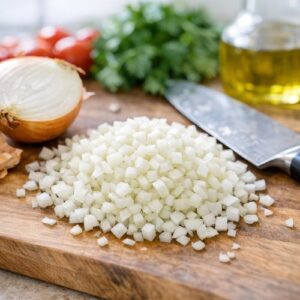
Step 2: Heat Your Oil—The First Sign of Technique Mastery
- Place your skillet over medium heat and add your olive oil. Here's where most home cooks rush: wait for the oil to shimmer. Not smoke—shimmer. That subtle, dancing movement across the surface means the oil has reached approximately 350°F, the perfect temperature for sautéing aromatics without burning them. How do you know when it's ready? Hold your hand about 6 inches above the skillet. You should feel consistent warmth, not intense heat. If it's smoking, your heat is too high—remove it for 30 seconds and try again. This temperature control is what separates confident cooks from frustrated ones.
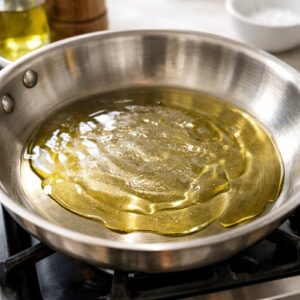
Step 3: Sauté the Onion—Building Your Flavor Foundation
- Add your chopped onion to the shimmering oil and listen. You should hear an immediate, gentle sizzle—not a violent pop, not silence. This sizzle tells you the temperature is perfect. Stir the onions immediately to coat them evenly in oil. Now, this is crucial: resist the urge to stir constantly. Stir every 15-20 seconds, allowing the flat surfaces of the onions to contact the hot pan. This creates the Maillard reaction—the browning that develops real flavor. After about 2 minutes, your onions should begin to soften and turn translucent at the edges, with the very tips showing the faintest hint of golden color. You're not making caramelized onions here—that takes 30+ minutes. You're creating sautéed aromatics, which takes about 2 minutes. The difference is time and temperature. This is the foundation layer of your flavor profile.
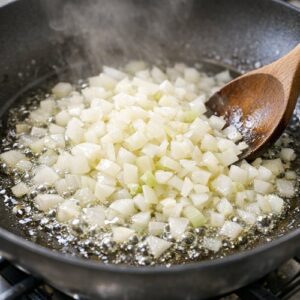
Step 4: Add Garlic—The Secondary Aromatic
- Once your onions are soft and fragrant, add your minced garlic and stir immediately. Garlic cooks faster than onion—in as little as 20-30 seconds, it can go from perfect to burnt. You're looking for that moment when the raw sharpness disappears and the kitchen smells like toasted garlic. That aroma is your signal—it should smell warm and savory, not acrid or harsh. This is where timing teaches you about cooking temperatures and ingredient differences. Garlic cooks faster than onion because it has less water content and smaller particle size. Understanding why different ingredients need different timing makes you adaptive in the kitchen. Cook for just 30-45 seconds, then immediately move to the next step. Waiting too long results in bitter garlic; moving too fast wastes the flavor development. This single decision—knowing when to proceed—is what separates home cooking from restaurant-quality cooking.
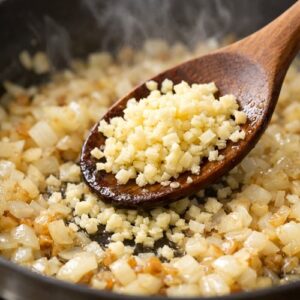
Step 5: Add Spices and Toast Them Briefly
- Add your cumin and paprika to the pan and stir constantly for about 15 seconds. You're doing something important here: blooming the spices. By adding them directly to the hot fat, you're releasing their essential oils and making their flavors more potent and nuanced. The kitchen aroma will shift—you'll suddenly smell the warm earthiness of cumin more intensely. This is why blooming spices in fat transforms a dish. It's the difference between sprinkling paprika on top (flat, dusty flavor) versus blooming it in hot oil (warm, integrated flavor that tastes intentional). This single technique—blooming—works for every spice-forward dish you'll ever make.
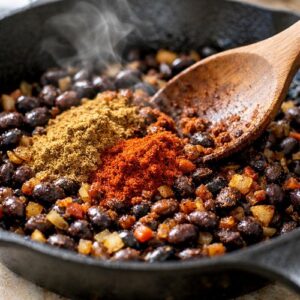
Step 6: Add Black Beans and Broth—Building Texture Through Technique
- Pour in your rinsed black beans and immediately add ¼ cup of your broth. Stir everything together, making sure the beans coat evenly with the spiced oil. You should see steam rising almost immediately. Let the beans cook, stirring frequently, until they're warmed through—about 3-4 minutes. Now comes the technique that creates restaurant-quality texture: using the back of a wooden spoon, gently press about ¼ of the beans against the side of the pan, mashing them into a rough paste. This is optional, but it's the secret. You're not puréeing—you're partially breaking down beans to release their starches, which creates a creamy, luxurious sauce around the whole beans. If your beans look dry as you cook (they shouldn't be swimming in liquid, but they shouldn't be crusty either), add another tablespoon or two of broth and stir. The goal is beans that are creamy, clingy, and deeply flavored—not soupy, not dry.
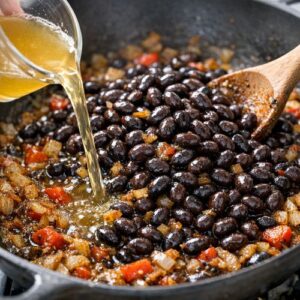
Step 7: Fry Your Eggs While Beans Finish
- In a separate skillet (or if you have the space, push your beans to the side of your current skillet), heat just a kiss of olive oil over medium-high heat. Crack your eggs directly into the hot oil and cook until the whites set but the yolks remain runny—about 3-4 minutes, depending on your heat. The yolk will become your sauce, running over the beans and tortillas. This is intentional richness. Alternatively, if you prefer over-easy or over-medium eggs, cook them a bit longer. The only rule: never cook the yolk completely through in this context. It dries out the entire dish.

Step 8: Assemble With Intention
- Divide your sautéed beans between two plates. Top each portion with a warm corn tortilla (you can warm them directly over a gas flame for 5 seconds per side, wrapped in foil, or in a dry skillet for 10 seconds per side). Place your fried egg on top of each portion. Arrange your cilantro, diced tomato, avocado slices, and a dollop of Greek yogurt around the plate. This isn't just plating—it's creating flavor contrast. The cool yogurt cools the warm beans, the acid in tomato brightens everything, the cilantro adds herbal notes, and the avocado provides silky richness. Each element teaches your palate something different. Serve immediately while the beans and egg are still warm, the tortillas still pliable.

Notes
- Burnt aromatics creating bitter, acrid flavor - This happens when your heat is too high or you wait too long between adding ingredients. If this happens, discard everything and start over—there's no salvaging burnt aromatics. For future attempts, use medium heat (not medium-high), and work quickly once onions start cooking. The entire aromatic phase should take 2-3 minutes maximum.
- Beans that taste underseasoned or flat - You either didn't give the spices time to bloom in hot oil, or your broth was too salty and masked the spice flavors. Always bloom spices for at least 15 seconds in fat before adding beans. Use low-sodium broth so you control the salt level completely.
- Beans that are either watery or crusty with no middle ground - You need ¼ to ½ cup broth total, added gradually. Start with ¼ cup, then adjust as you cook. If beans seem dry after 3 minutes, add more broth one tablespoon at a time until you reach creamy consistency. If you overshoot and they're too soupy, continue cooking without a lid for 2-3 minutes to let liquid evaporate.
- Eggs that are overcooked or undercooked - Watch them constantly in the final minute. The white should be opaque and set, the yolk should still shimmy when you nudge the pan. If you're unsure, err toward slightly underdone—the residual heat will continue cooking as you plate and assemble.
- Cilantro that tastes soapy or overwhelming - Use less cilantro (roughly ¼ cup per serving is enough), and add it right before eating, not during cooking. Fresh herbs lose their bright qualities when heated, and some people have a genetic variation that makes cilantro taste soapy. If that's you, substitute flat-leaf parsley or fresh dill.