
Ingredients
Method
Step 1: Prep Your Kitchen and Oven
- Start by preheating your oven to 375°F. Don't skip this step—a properly heated oven is the difference between a golden exterior and a gray one. While your oven is heating, line a rimmed baking sheet with parchment paper (I prefer this over foil because it prevents sticking without requiring extra cleanup). Set everything aside within arm's reach because once we start searing, things move quickly. For vegan versions using mushrooms or tofu, have your protein at room temperature for at least 30 minutes before cooking—this ensures even searing and prevents a rubbery texture.

Step 2: Build Your Spice Blend Foundation
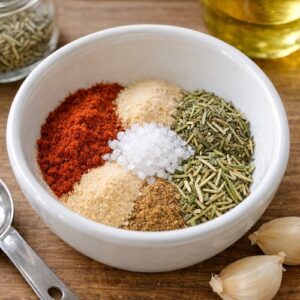
- In a small mixing bowl, combine the paprika, garlic powder, onion powder, thyme, and rosemary. Add a generous three-finger pinch of sea salt and several cracks of fresh black pepper. Stir this together thoroughly and really smell it—this is where the magic begins. The dried herbs should perfume your entire kitchen. This spice blend is your flavor insurance, and I always make it fresh rather than using pre-mixed seasonings because the aromatics stay vibrant. For keto versions, this blend is crucial because it compensates for the missing sweetness of honey—make sure you're generous with the herbs.
Step 3: Dry and Season Your Pork (or Plant-Based Protein)
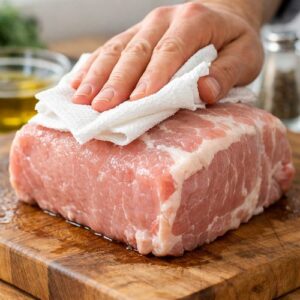
- Using paper towels, pat your pork loin completely dry. Moisture is the enemy of browning, and browning is what creates flavor. Don't skip this drying step. Once it's dry, use a light spray of cooking oil to coat the entire exterior—this helps the spice blend adhere beautifully. Now, take your spice mixture and rub it generously over every surface of the roast, really pressing it into the meat. For vegan tofu versions, the drying step is even more critical—press your tofu with paper towels for a full 10 minutes to remove excess moisture.
Step 4: Sear for Color and Flavor
- Heat 1 tablespoon of olive oil in a large, heavy-bottomed skillet over medium-high heat. When the oil shimmers (about 2 minutes), carefully place your seasoned roast into the pan. Let it sear without moving for 3-4 minutes. You want a deep golden-brown crust to form—this is the Maillard reaction happening, and it's creating depth of flavor that can't be rushed. Flip and sear the other long side for 3-4 minutes. Then sear the two smaller ends for about 2 minutes each. The entire searing process takes roughly 12-14 minutes and is worth every second. For vegan mushroom versions, sear for only 2 minutes per side to prevent moisture loss. Transfer your seared protein to the prepared baking sheet, with the best-looking side facing up.

Step 5: Create Your Glaze Magic
- In a medium bowl, whisk together your minced garlic, honey (or your keto/vegan substitute), tamari, Dijon mustard, and 1 tablespoon olive oil. Whisk until the mixture is smooth and emulsified—it should have a glossy, pourable consistency. If it's too thick, add tamari one teaspoon at a time until you reach the right consistency. If it's too thin, add a touch more mustard to thicken and deepen flavor. Set aside 2 tablespoons of this glaze separately—you'll use this for the vegetables later. This glaze is your insurance policy for a juicy, flavorful roast.

Step 6: First Roast with Glaze
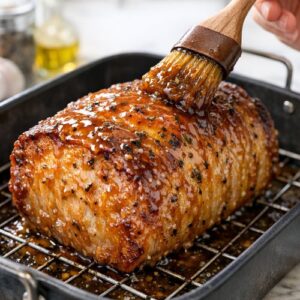
- Brush the remaining glaze generously over the top and sides of your pork roast. Reserve a little glaze to brush halfway through cooking if the exterior starts looking dry. Transfer the baking sheet to your preheated 375°F oven and roast for 25 minutes without opening the door. For vegan proteins, reduce this to 15-18 minutes since they cook faster than pork. The glaze will begin caramelizing, and your kitchen will smell absolutely incredible.
Step 7: Prep Your Vegetables
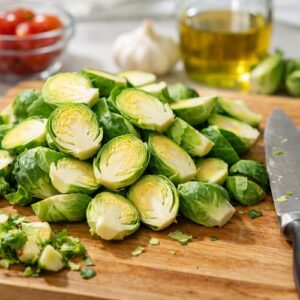
- While your roast is in its first cooking phase, prep your vegetables. Halve your Brussels sprouts lengthwise—this orientation creates flat surfaces that caramelize beautifully. Cut your butternut squash into 1-inch cubes (or use pre-cut if time is tight). For keto versions, this is where you'd substitute some of the squash for asparagus if you're tracking carbs closely. In a medium bowl, toss the vegetables with 1 tablespoon olive oil and that reserved 2 tablespoons of glaze, coating them evenly.
Step 8: Add Vegetables and Continue Roasting
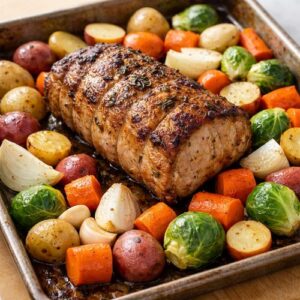
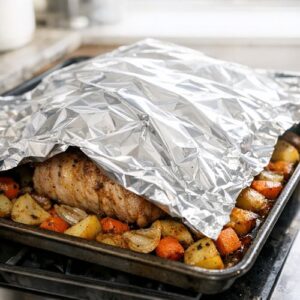
- Pull your roast from the oven and carefully arrange the vegetables around it in a single layer on the baking sheet, making sure they're not touching each other too much—they need space for air circulation to roast, not steam. Tent a piece of foil loosely over the pork roast (not sealing it completely) so the top doesn't burn while the interior continues cooking. Return everything to the oven for another 25-30 minutes. About halfway through this phase (around the 12-minute mark), stir your vegetables so they roast evenly on all sides.
Step 9: Check for Doneness with Precision
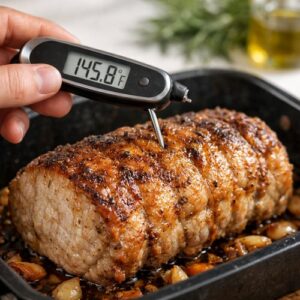
- At the 25-minute mark of the second roasting phase, use an instant-read thermometer to check the internal temperature of the thickest part of the roast. For pork, you're aiming for 145°F, which gives you the most tender, juicy result. USDA guidelines allow this temperature for whole pork muscles because the bacteria risk is only on the surface (which we seared). For vegan proteins, you're simply ensuring they're heated through—about 165°F for tofu, 190°F for mushrooms. If you haven't reached temperature, return everything to the oven for another 5-10 minutes and check again.
Step 10: The Resting Period (Don't Skip This!)
- Remove the baking sheet from the oven and loosely cover both the roast and vegetables with foil. Let everything rest for 10 minutes. This resting period is non-negotiable—it allows the juices to redistribute throughout the meat instead of running out when you cut it. You'll taste the difference immediately. While resting, the residual heat continues gentle cooking, and your vegetables finish caramelizing perfectly.
Step 11: Slice and Serve with Confidence
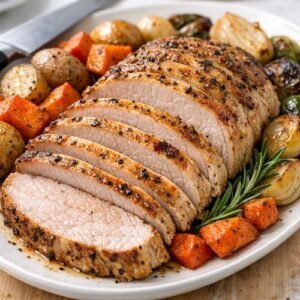
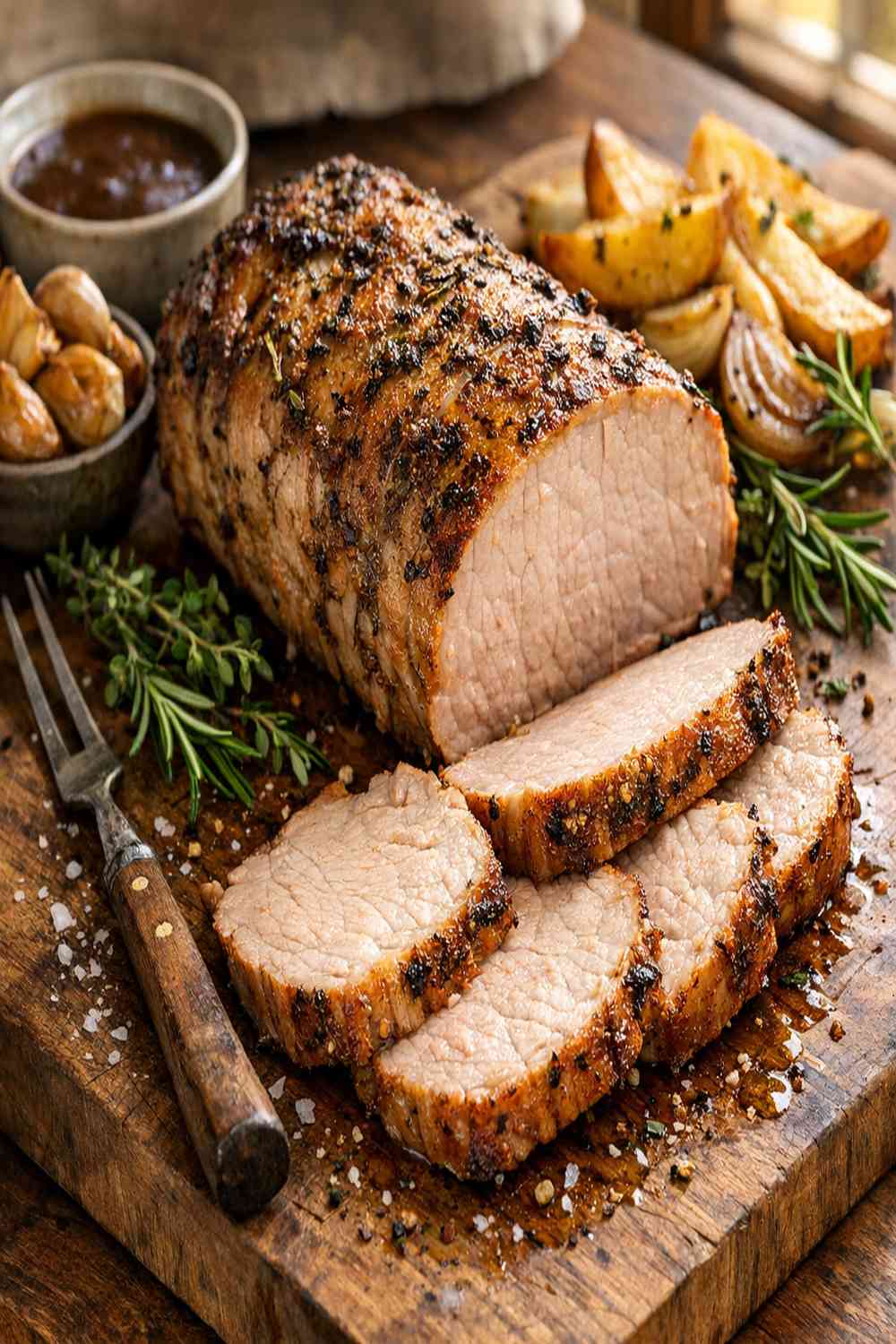
- After resting, use a sharp carving knife to slice your roast into ½-inch-thick slices. Arrange them on a serving platter with the roasted vegetables scattered around. Any pan juices that accumulated during resting can be drizzled over everything for extra richness. Serve immediately while everything is warm and at its most inviting.