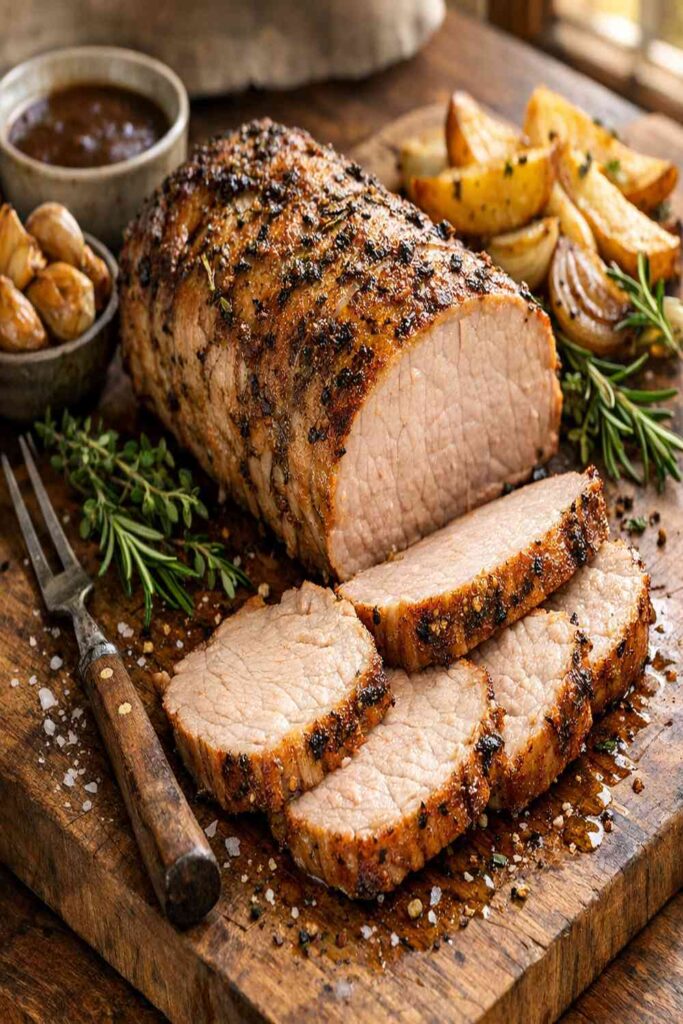
Boneless Pork Loin Roast Recipe
Last Updated on September 6, 2026
This post contains affiliate links. As an Amazon Associate I earn from qualifying purchases.
Whether you’re keto, vegan, or gluten-free, you don’t have to miss out on a stunning centerpiece dinner that brings everyone to the table. I’ve spent years helping families navigate dietary restrictions without sacrificing the soul-warming comfort of a perfectly roasted main course. This boneless pork loin roast recipe is my answer to that challenge—a foolproof, adaptable showstopper that tastes incredible no matter which dietary path you follow. If you love building flavor through technique like I do, you’ll appreciate how a simple sear and honeyed glaze can transform a humble cut into something that feels restaurant-worthy on a Tuesday night.
My passion for this recipe comes straight from watching my family work kitchen magic at our Texas table. My grandmother taught me that the best meals aren’t about restriction—they’re about smart swaps and confidence in the kitchen. That’s exactly what you’ll find here: marinades and glazes that layer flavor the way professional cooks do, plus the flexibility to honor any dietary choice your table needs.
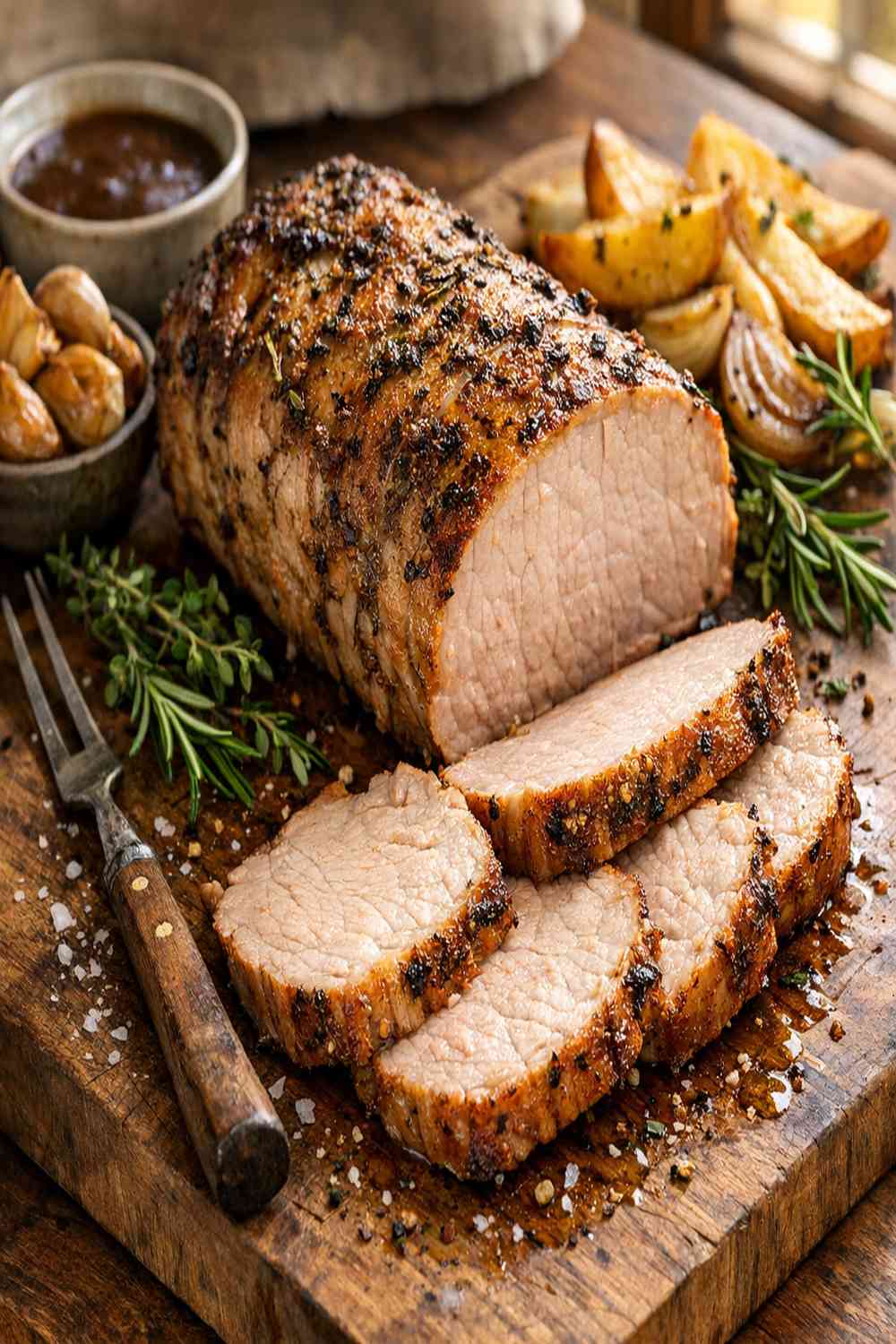
Which Version Is Right for You?
I always tell my clients: the best recipe is the one that fits your life. That’s why I’ve built this boneless pork loin roast three ways. Each version delivers the same incredible depth of flavor and gorgeous, juicy texture—just with smart ingredient swaps that work with your dietary framework. Let me walk you through which version calls to you.
- Keto Version – We skip the honey and rely on the umami richness of tamari and stone-ground mustard to build complexity. The result? A savory, deeply satisfying main that keeps you in ketosis while tasting indulgent. Expect a more earthy, less sweet flavor profile.
- Vegan Version – Instead of pork, we use a meaty mushroom-based roast or extra-firm tofu that’s been marinated and seared the exact same way. The glaze becomes entirely plant-powered but loses zero depth. Honestly, this version surprises non-vegans at the dinner table.
- Gluten-Free Version – The magic here is using certified gluten-free tamari instead of traditional soy sauce. Everything else stays the same because this recipe was naturally built on whole ingredients. No compromise on flavor whatsoever.
- Dairy-Free Version – Since this recipe doesn’t contain dairy to begin with, it’s naturally dairy-free. The beauty of a pork roast with vegetable sides is that it honors multiple dietary needs simultaneously without anyone feeling excluded.
The Base Ingredients (Works for All Versions)
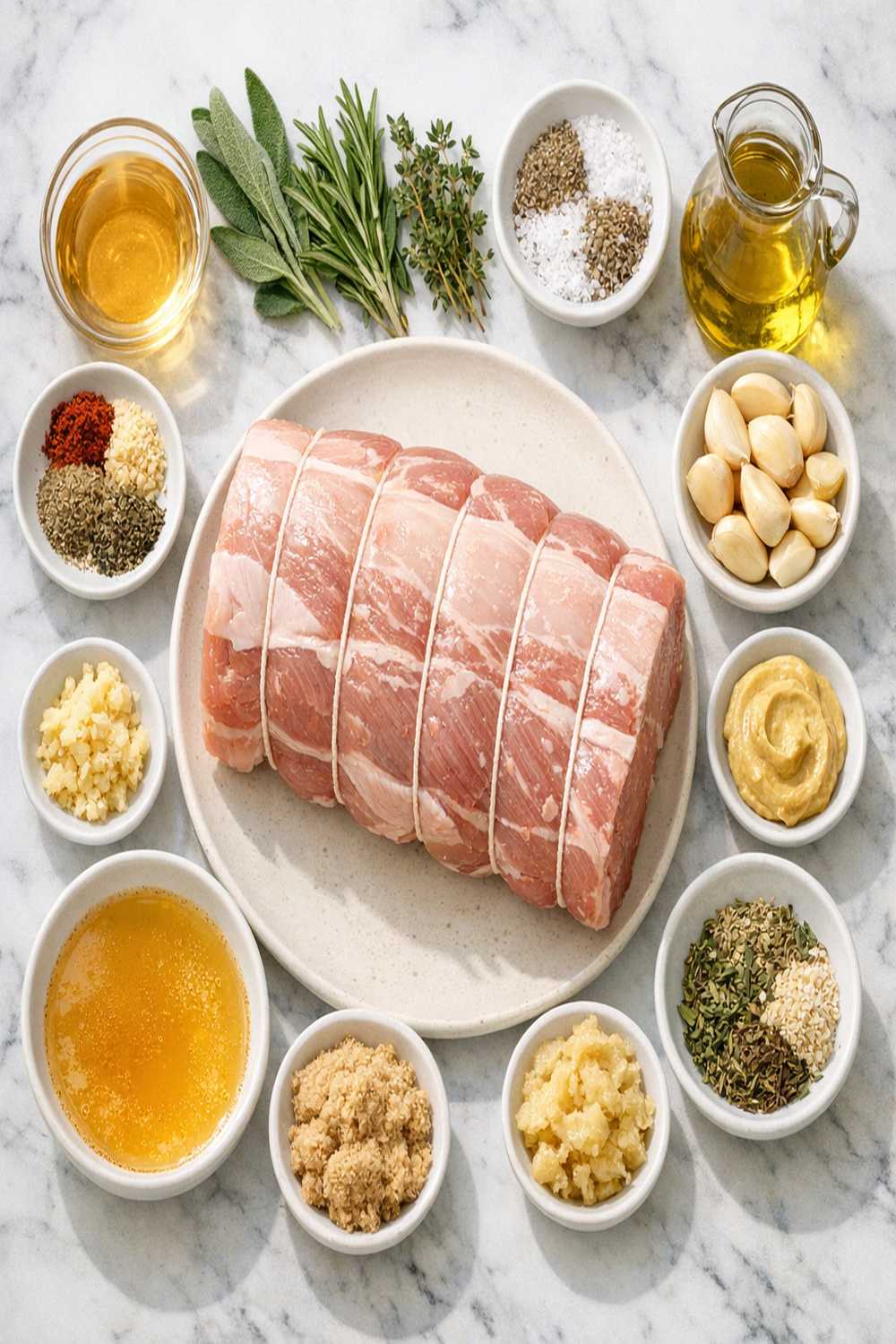
These are the foundation ingredients that anchor every version of this recipe. I’ve arranged them strategically—the spice blend comes first because it’s your flavor blueprint, then the protein and glaze components. The roasted vegetables add nutrition, texture, and natural sweetness that balances the savory elements beautifully.
For the Pork Roast and Spice Blend
- 1 teaspoon garlic powder (concentrated garlic flavor that coats every surface evenly)
- ½ teaspoon onion powder (enhances umami and rounds out the spice profile)
- 3 pounds boneless pork loin (room temperature before cooking—this ensures even cooking throughout)
- ½ teaspoon dried rosemary (woody and aromatic—use fresh if you can)
- 1 teaspoon sweet paprika (adds warmth and a subtle smokiness without heat)
- 2 tablespoons extra-virgin olive oil (divided between searing and vegetables)
- Sea salt and freshly cracked black pepper to taste (always taste and adjust to your preference)
- 4 cloves fresh garlic (minced finely for the glaze, not the dry rub)
- ½ teaspoon dried thyme (brings an herbal elegance that’s quintessentially Southern)
For the Honey-Tamari Glaze
- 1 tablespoon extra-virgin olive oil (emulsifies the glaze for silky consistency)
- 1 tablespoon Dijon mustard (whole-grain works beautifully here for texture)
- ¼ cup raw honey (adds caramelization and subtle floral notes—or use your keto swap)
- 3 tablespoons low-sodium tamari (or coconut aminos for soy-free living)
For the Roasted Vegetables (Serves 4)
- 1 pound butternut squash (peeled, seeded, and cut into 1-inch cubes—pre-cut saves time)
- 1 tablespoon extra-virgin olive oil (tossed with vegetables for roasting)
- 1 pound Brussels sprouts (halved lengthwise, which creates beautiful caramelized edges)
Dietary Substitution Chart
Here’s where the magic happens. I’ve built this chart so you can see exactly what swaps into what, depending on your dietary framework. The beauty is that most of these substitutions are one-to-one, and they don’t require any technique changes—just ingredient intelligence.
- Regular Soy Sauce -> Keto: use tamari as written (already low-carb) | Vegan: use tamari (always vegan by nature) | Gluten-Free: use certified gluten-free tamari (crucial for celiac safety) | Dairy-Free: no change needed
- Pork Loin -> Keto: use thicker-cut pork (same weight, 1.5 inches thick instead of 3-4 inches) | Vegan: use 1 pound extra-firm tofu or king oyster mushroom caps | Gluten-Free: no change needed | Dairy-Free: no change needed
- Honey in Glaze -> Keto: swap for 3 tablespoons monk fruit sweetener or erythritol blend (adds sweetness without sugar impact) | Vegan: use maple syrup or agave (same measurement, slightly different flavor) | Gluten-Free: no change needed | Dairy-Free: no change needed
- Vegetables -> Keto: reduce butternut squash to ½ pound and add 1 pound asparagus (lower carb impact) | Vegan: no change needed | Gluten-Free: no change needed | Dairy-Free: no change needed
- Olive Oil -> Keto: use ghee or avocado oil (higher smoke point for searing) | Vegan: use coconut oil (adds richness without animal products) | Gluten-Free: no change needed | Dairy-Free: no change needed
How to Make Boneless Pork Loin Roast Recipe Your Way
I’m going to walk you through this step-by-step, and I promise—if you follow along with intention, you’ll have a restaurant-quality roast on your table. The techniques I’m sharing come straight from my clinical nutrition background combined with years of watching my family execute perfect meals. Pay close attention to temperatures and timing; those are your confidence-builders.
Step 1: Prep Your Kitchen and Oven
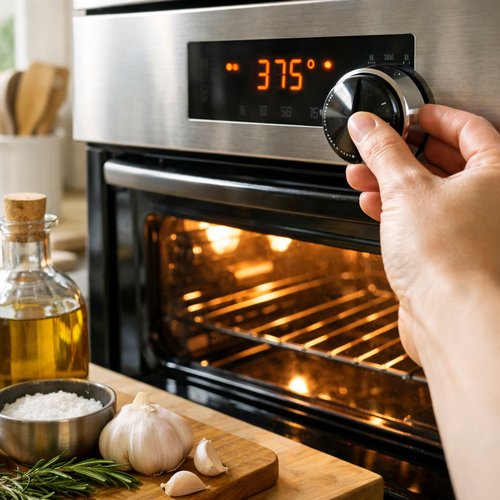
Start by preheating your oven to 375°F. Don’t skip this step—a properly heated oven is the difference between a golden exterior and a gray one. While your oven is heating, line a rimmed baking sheet with parchment paper (I prefer this over foil because it prevents sticking without requiring extra cleanup). Set everything aside within arm’s reach because once we start searing, things move quickly. For vegan versions using mushrooms or tofu, have your protein at room temperature for at least 30 minutes before cooking—this ensures even searing and prevents a rubbery texture.
Step 2: Build Your Spice Blend Foundation
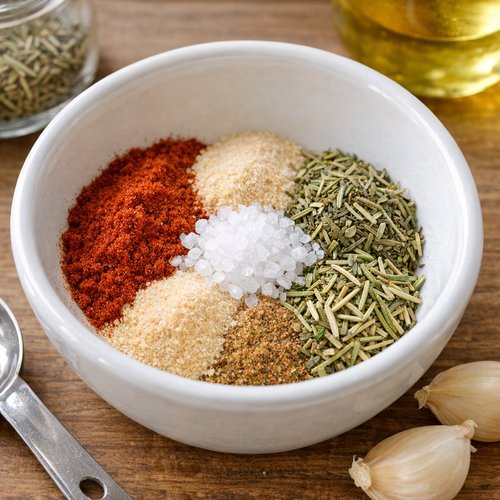
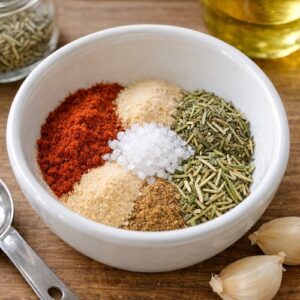
In a small mixing bowl, combine the paprika, garlic powder, onion powder, thyme, and rosemary. Add a generous three-finger pinch of sea salt and several cracks of fresh black pepper. Stir this together thoroughly and really smell it—this is where the magic begins. The dried herbs should perfume your entire kitchen. This spice blend is your flavor insurance, and I always make it fresh rather than using pre-mixed seasonings because the aromatics stay vibrant. For keto versions, this blend is crucial because it compensates for the missing sweetness of honey—make sure you’re generous with the herbs.
Step 3: Dry and Season Your Pork (or Plant-Based Protein)
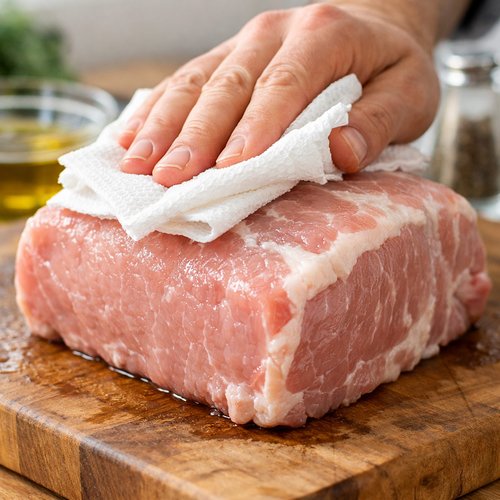
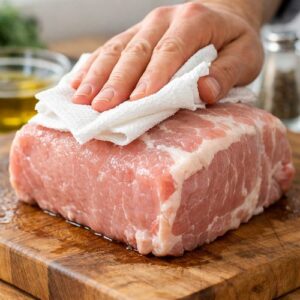
Using paper towels, pat your pork loin completely dry. Moisture is the enemy of browning, and browning is what creates flavor. Don’t skip this drying step. Once it’s dry, use a light spray of cooking oil to coat the entire exterior—this helps the spice blend adhere beautifully. Now, take your spice mixture and rub it generously over every surface of the roast, really pressing it into the meat. For vegan tofu versions, the drying step is even more critical—press your tofu with paper towels for a full 10 minutes to remove excess moisture.
Step 4: Sear for Color and Flavor
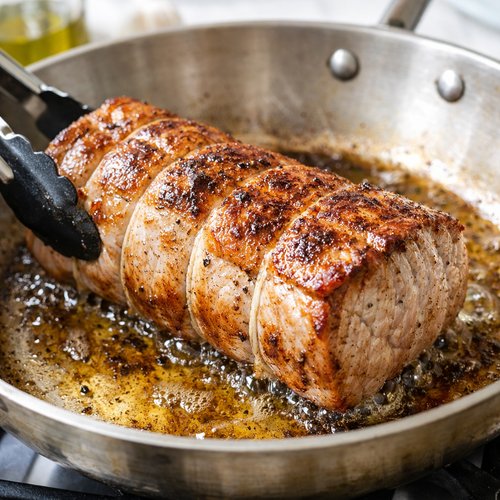
Heat 1 tablespoon of olive oil in a large, heavy-bottomed skillet over medium-high heat. When the oil shimmers (about 2 minutes), carefully place your seasoned roast into the pan. Let it sear without moving for 3-4 minutes. You want a deep golden-brown crust to form—this is the Maillard reaction happening, and it’s creating depth of flavor that can’t be rushed. Flip and sear the other long side for 3-4 minutes. Then sear the two smaller ends for about 2 minutes each. The entire searing process takes roughly 12-14 minutes and is worth every second. For vegan mushroom versions, sear for only 2 minutes per side to prevent moisture loss. Transfer your seared protein to the prepared baking sheet, with the best-looking side facing up.
Step 5: Create Your Glaze Magic
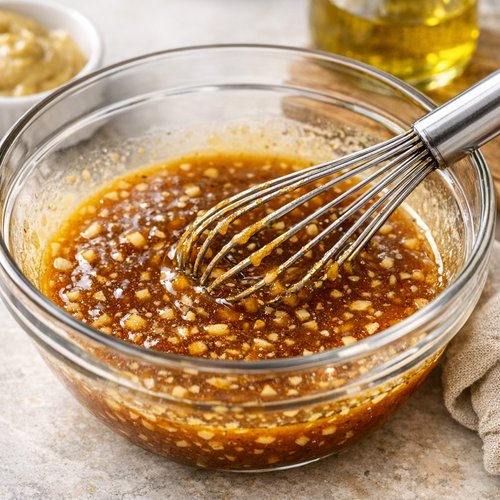
In a medium bowl, whisk together your minced garlic, honey (or your keto/vegan substitute), tamari, Dijon mustard, and 1 tablespoon olive oil. Whisk until the mixture is smooth and emulsified—it should have a glossy, pourable consistency. If it’s too thick, add tamari one teaspoon at a time until you reach the right consistency. If it’s too thin, add a touch more mustard to thicken and deepen flavor. Set aside 2 tablespoons of this glaze separately—you’ll use this for the vegetables later. This glaze is your insurance policy for a juicy, flavorful roast.
Step 6: First Roast with Glaze
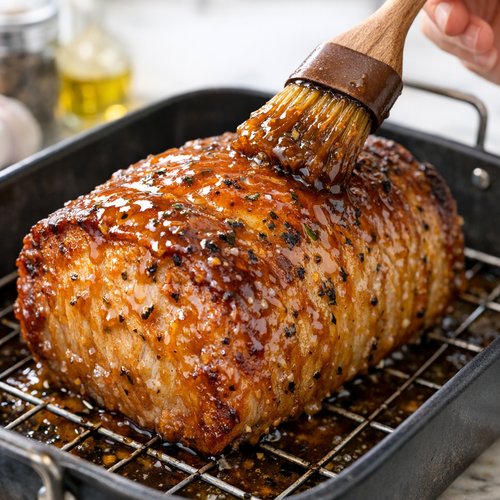
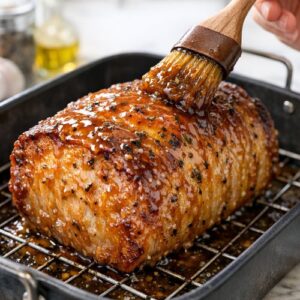
Brush the remaining glaze generously over the top and sides of your pork roast. Reserve a little glaze to brush halfway through cooking if the exterior starts looking dry. Transfer the baking sheet to your preheated 375°F oven and roast for 25 minutes without opening the door. For vegan proteins, reduce this to 15-18 minutes since they cook faster than pork. The glaze will begin caramelizing, and your kitchen will smell absolutely incredible.
Step 7: Prep Your Vegetables
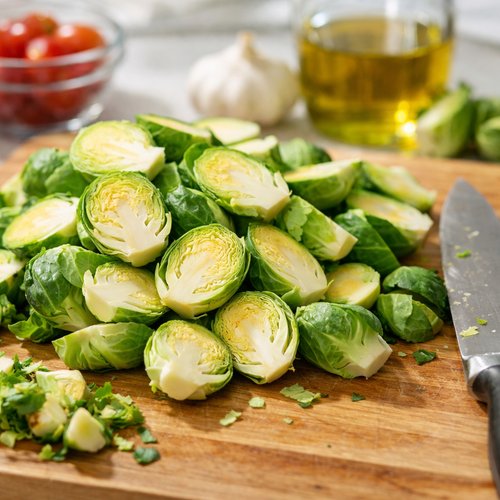
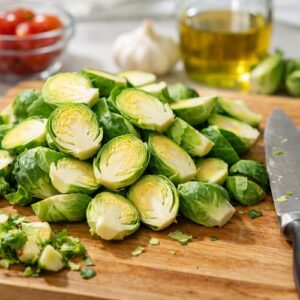
While your roast is in its first cooking phase, prep your vegetables. Halve your Brussels sprouts lengthwise—this orientation creates flat surfaces that caramelize beautifully. Cut your butternut squash into 1-inch cubes (or use pre-cut if time is tight). For keto versions, this is where you’d substitute some of the squash for asparagus if you’re tracking carbs closely. In a medium bowl, toss the vegetables with 1 tablespoon olive oil and that reserved 2 tablespoons of glaze, coating them evenly.
Step 8: Add Vegetables and Continue Roasting
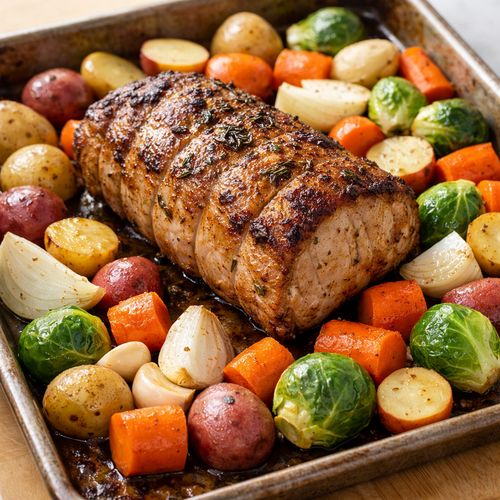
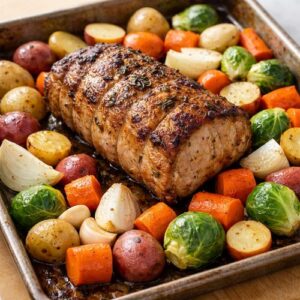
Pull your roast from the oven and carefully arrange the vegetables around it in a single layer on the baking sheet, making sure they’re not touching each other too much—they need space for air circulation to roast, not steam. Tent a piece of foil loosely over the pork roast (not sealing it completely) so the top doesn’t burn while the interior continues cooking. Return everything to the oven for another 25-30 minutes. About halfway through this phase (around the 12-minute mark), stir your vegetables so they roast evenly on all sides.
Step 9: Check for Doneness with Precision
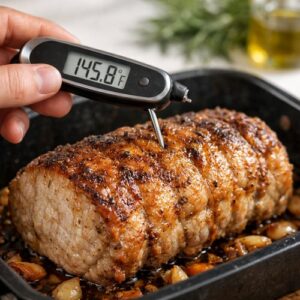
At the 25-minute mark of the second roasting phase, use an instant-read thermometer to check the internal temperature of the thickest part of the roast. For pork, you’re aiming for 145°F, which gives you the most tender, juicy result. USDA guidelines allow this temperature for whole pork muscles because the bacteria risk is only on the surface (which we seared). For vegan proteins, you’re simply ensuring they’re heated through—about 165°F for tofu, 190°F for mushrooms. If you haven’t reached temperature, return everything to the oven for another 5-10 minutes and check again.
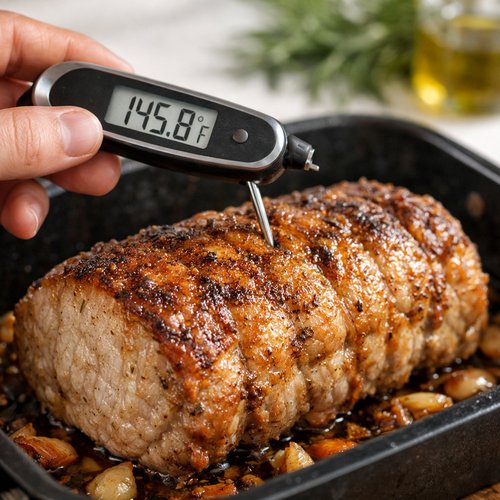
Step 10: The Resting Period (Don’t Skip This!)
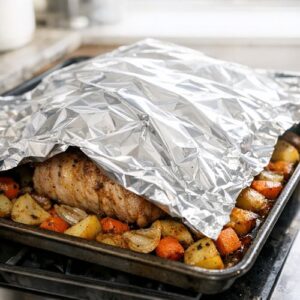
Remove the baking sheet from the oven and loosely cover both the roast and vegetables with foil. Let everything rest for 10 minutes. This resting period is non-negotiable—it allows the juices to redistribute throughout the meat instead of running out when you cut it. You’ll taste the difference immediately. While resting, the residual heat continues gentle cooking, and your vegetables finish caramelizing perfectly.
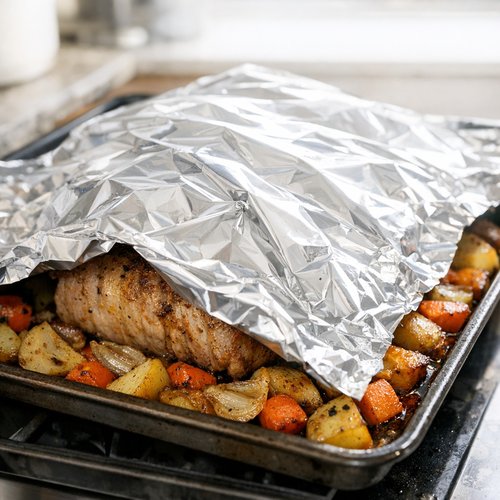
Step 11: Slice and Serve with Confidence
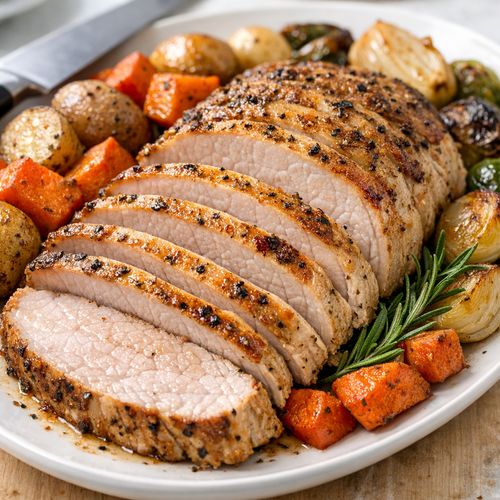
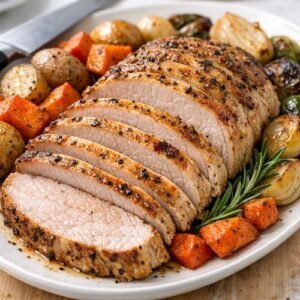
After resting, use a sharp carving knife to slice your roast into ½-inch-thick slices. Arrange them on a serving platter with the roasted vegetables scattered around. Any pan juices that accumulated during resting can be drizzled over everything for extra richness. Serve immediately while everything is warm and at its most inviting.
Expert’s Nutritional Tip
Here’s something I share with every client: the combination of lean pork with the sulfur compounds in Brussels sprouts creates a powerhouse anti-inflammatory meal. Pork loin is one of the leanest protein options—roughly 26 grams of protein per 3.5-ounce serving with minimal saturated fat. The Brussels sprouts bring glucosinolates, which your body converts to compounds with cancer-fighting potential. And that glaze? The mustard and tamari add selenium and iodine, minerals most Americans under-consume. This isn’t just delicious—it’s strategically nutritious.
Nutrition Comparison Across Versions
Let me break down the nutritional landscape for each version so you can make informed choices based on your dietary goals. These figures are based on a single serving (roughly 6 ounces pork/protein plus vegetables) and reflect USDA Nutrient Database standards.
- Standard Version (with honey glaze): 385 calories | 28g protein | 18g fat | 24g carbohydrates | 4g fiber | Great for balanced nutrition, athletes, and general wellness
- Keto Version (with monk fruit sweetener): 340 calories | 32g protein | 18g fat | 6g net carbohydrates | 3g fiber | Optimized for ketosis maintenance and blood sugar stability
- Vegan Version (with tofu and maple syrup): 280 calories | 22g protein (from tofu) | 12g fat | 28g carbohydrates | 6g fiber | Higher carb ratio supports plant-based athletes; mushroom version runs slightly higher in minerals
- Gluten-Free Version: Same as standard (385 calories) | Safe for celiac disease; identical nutritional profile to original
The protein content across versions stays impressively stable—pork delivers about 28g per 100g serving, while quality tofu delivers 15-17g per 100g. The real difference is in how your body processes the carbohydrates, which is why the keto adaptation matters for some folks.
How Each Version Tastes Different
I want to be completely honest with you about how these versions compare, because flavor is what keeps you cooking a recipe repeatedly.
The Standard Version is what I call the “gateway roast.” The honey brings subtle sweetness that balances the savory umami of the tamari and the earthiness of the herbs. It’s familiar, comforting, and tastes like something you’d get at a really good steakhouse. The glaze caramelizes into a light, lacquered coating that’s stunning visually.
The Keto Version leans savory and herbaceous. Without the honey, you taste every layer of the spice blend more distinctly. The Dijon becomes more prominent, adding a sharp, slightly tangy note that some people absolutely love. The monk fruit sweetener (if that’s your choice) adds sweetness without the honey’s floral quality. Honestly? I find this version more sophisticated because nothing masks the actual taste of perfectly cooked pork.
The Vegan Mushroom Version is meaty and substantial in a way that surprises non-vegans. King oyster mushrooms have a texture that mimics pork’s firmness, and they soak up that glaze like a dream. The maple syrup glaze brings a deeper, more robust sweetness than honey—it reads as more “autumnal.” With tofu, you get more of a clean, neutral canvas that lets the glaze and vegetables shine. Neither is better—they’re just different vehicles for the same flavor building.
The Gluten-Free Version tastes identical to the standard because tamari and everything else we use are naturally gluten-free. There’s zero compromise here, which is why I love this recipe for mixed-diet tables.
Make-Ahead Guide: Meal Prep Like a Pro
One of my favorite secrets as a dietitian is that this roast is beautifully make-ahead friendly. Here’s how I build it into my week when I’m managing multiple dietary needs:
Two Days Before: Make your spice blend and store it in an airtight container. Prep your vegetables—halve your Brussels sprouts, cube your squash, and store them separately in the fridge. This takes 15 minutes and transforms cook day into assembly day.
One Day Before: Make your glaze completely and store it in a glass jar in the refrigerator. The flavors actually deepen slightly overnight. When you’re ready to cook, you literally just pull it out and use it.
Morning Of: Remove your pork loin from the refrigerator and let it sit at room temperature for 30 minutes. This ensures even cooking. You can also prep your baking sheet with parchment paper.
Cooking Day Timeline: Start to finish is about 90 minutes from cold kitchen to plated dinner. Most of that is hands-off oven time, so you’re free to set the table, make a salad, or simply enjoy a quiet moment.
Can I Store Boneless Pork Loin Roast Recipe?
Refrigerator Storage: Slice your roast and store it with the vegetables in an airtight container. It keeps beautifully for 3-4 days. The flavors actually deepen as the glaze penetrates the meat overnight, making day-two leftovers phenomenal.
Reheating: I recommend reheating gently in a 325°F oven for about 12 minutes, covered with foil, to prevent drying. Alternatively, slice it thin and reheat in a skillet with a splash of broth over medium heat for 3-4 minutes per side.
Freezer Storage: This roast freezes beautifully for up to 3 months. Slice it first, layer it with parchment paper between slices, then store in a freezer-safe container. Defrost overnight in the refrigerator and reheat as above.
Vegan Version Storage: Mushroom roasts keep for 3-5 days refrigerated because the vegetables hold moisture beautifully. Tofu keeps for 3-4 days and becomes firmer as it sits, which honestly improves the texture.
What to Serve With Boneless Pork Loin Roast Recipe?
The vegetables are built into this recipe, but here’s where you can expand your table and honor multiple dietary needs simultaneously:
- Creamed Cauliflower or Mashed Potatoes – works with every version except strict keto; the starch soaks up those pan juices beautifully
- Simple Green Salad with Lemon Vinaigrette – keto, vegan, gluten-free, and dairy-free friendly; adds brightness to cut the richness of the glaze
- Roasted Root Vegetables (carrots, parsnips, beets) – swaps seamlessly with the squash; great for seasonal variation
- Herb-Roasted New Potatoes – works alongside (not replacing) your included vegetables; makes the meal heartier
- Sautéed Spinach or Kale with Garlic – adds greens that every dietary framework welcomes; takes 5 minutes
- Grain Options (Brown Rice, Farro, or Quinoa) – perfect for non-keto versions; soaks up every drop of those pan juices
I often make a simple hummus on the side because the tahini and lemon brighten everything without competing with the main event. If you want another protein element on your table, a Mediterranean-style stew complements this roast beautifully for mixed-diet gatherings.
Common Mistakes to Avoid
Mistake #1: Skipping the Searing Step – I know it feels like extra work, and I know you could theoretically roast the pork straight from the fridge. Don’t. Searing creates the Maillard reaction, which builds flavor that roasting alone cannot create. This 15-minute step is the difference between “pretty good” and “restaurant-quality.” Your taste buds will thank me.
Mistake #2: Cutting Into the Roast Before Resting – The resting period isn’t optional—it’s where the magic of juiciness happens. When you slice immediately from the oven, all those flavorful juices run out onto the cutting board instead of staying in your meat. Wait those 10 minutes. Your roast will be noticeably juicier, I promise.
Mistake #3: Not Bringing Protein to Room Temperature – Cold meat cooks unevenly; the outside overcooks before the inside reaches temperature. Pull your pork (or tofu or mushrooms) from the fridge 30 minutes before cooking. This small act ensures even cooking throughout.
Mistake #4: Overcooking Vegan Proteins – This is where plant-based versions diverge from pork. Tofu gets rubbery when overcooked; mushrooms dry out. Watch these proteins more carefully and check for doneness starting at the 15-minute mark instead of 25 minutes. The texture difference is immediate.
Seasonal Variations: Cook This All Year
This recipe adapts beautifully to seasons, which keeps your table from getting boring. Here’s how I rotate it through the year:
Spring Version: Replace butternut squash with new potatoes and add fresh asparagus. Use fresh thyme and rosemary instead of dried (double the amount). A touch of fresh lemon zest in your glaze adds brightness that spring demands.
Summer Version: Keep the Brussels sprouts but add zucchini, yellow squash, and fresh green beans. Use fresh basil instead of some of the thyme. A touch of white wine in your glaze brings summery sophistication. This version tastes incredible served at room temperature for outdoor gatherings.
Fall Version: This is actually when I make the original recipe—butternut squash is at its peak. Add fresh figs to your glaze if you can find them. Include apple slices roasted alongside the vegetables for subtle sweetness. This is peak comfort food season.
Winter Version: Stick with the original Brussels sprouts and squash (they store beautifully), and add root vegetables like parsnips and carrots. A splash of apple cider in your glaze brings warming spice notes. This is survival-food-turned-elegant.

Boneless Pork Loin Roast Recipe
Ingredients
Method
- Start by preheating your oven to 375°F. Don't skip this step—a properly heated oven is the difference between a golden exterior and a gray one. While your oven is heating, line a rimmed baking sheet with parchment paper (I prefer this over foil because it prevents sticking without requiring extra cleanup). Set everything aside within arm's reach because once we start searing, things move quickly. For vegan versions using mushrooms or tofu, have your protein at room temperature for at least 30 minutes before cooking—this ensures even searing and prevents a rubbery texture.

- In a small mixing bowl, combine the paprika, garlic powder, onion powder, thyme, and rosemary. Add a generous three-finger pinch of sea salt and several cracks of fresh black pepper. Stir this together thoroughly and really smell it—this is where the magic begins. The dried herbs should perfume your entire kitchen. This spice blend is your flavor insurance, and I always make it fresh rather than using pre-mixed seasonings because the aromatics stay vibrant. For keto versions, this blend is crucial because it compensates for the missing sweetness of honey—make sure you're generous with the herbs.
- Using paper towels, pat your pork loin completely dry. Moisture is the enemy of browning, and browning is what creates flavor. Don't skip this drying step. Once it's dry, use a light spray of cooking oil to coat the entire exterior—this helps the spice blend adhere beautifully. Now, take your spice mixture and rub it generously over every surface of the roast, really pressing it into the meat. For vegan tofu versions, the drying step is even more critical—press your tofu with paper towels for a full 10 minutes to remove excess moisture.
- Heat 1 tablespoon of olive oil in a large, heavy-bottomed skillet over medium-high heat. When the oil shimmers (about 2 minutes), carefully place your seasoned roast into the pan. Let it sear without moving for 3-4 minutes. You want a deep golden-brown crust to form—this is the Maillard reaction happening, and it's creating depth of flavor that can't be rushed. Flip and sear the other long side for 3-4 minutes. Then sear the two smaller ends for about 2 minutes each. The entire searing process takes roughly 12-14 minutes and is worth every second. For vegan mushroom versions, sear for only 2 minutes per side to prevent moisture loss. Transfer your seared protein to the prepared baking sheet, with the best-looking side facing up.

- In a medium bowl, whisk together your minced garlic, honey (or your keto/vegan substitute), tamari, Dijon mustard, and 1 tablespoon olive oil. Whisk until the mixture is smooth and emulsified—it should have a glossy, pourable consistency. If it's too thick, add tamari one teaspoon at a time until you reach the right consistency. If it's too thin, add a touch more mustard to thicken and deepen flavor. Set aside 2 tablespoons of this glaze separately—you'll use this for the vegetables later. This glaze is your insurance policy for a juicy, flavorful roast.

- Brush the remaining glaze generously over the top and sides of your pork roast. Reserve a little glaze to brush halfway through cooking if the exterior starts looking dry. Transfer the baking sheet to your preheated 375°F oven and roast for 25 minutes without opening the door. For vegan proteins, reduce this to 15-18 minutes since they cook faster than pork. The glaze will begin caramelizing, and your kitchen will smell absolutely incredible.
- While your roast is in its first cooking phase, prep your vegetables. Halve your Brussels sprouts lengthwise—this orientation creates flat surfaces that caramelize beautifully. Cut your butternut squash into 1-inch cubes (or use pre-cut if time is tight). For keto versions, this is where you'd substitute some of the squash for asparagus if you're tracking carbs closely. In a medium bowl, toss the vegetables with 1 tablespoon olive oil and that reserved 2 tablespoons of glaze, coating them evenly.
- Pull your roast from the oven and carefully arrange the vegetables around it in a single layer on the baking sheet, making sure they're not touching each other too much—they need space for air circulation to roast, not steam. Tent a piece of foil loosely over the pork roast (not sealing it completely) so the top doesn't burn while the interior continues cooking. Return everything to the oven for another 25-30 minutes. About halfway through this phase (around the 12-minute mark), stir your vegetables so they roast evenly on all sides.
- At the 25-minute mark of the second roasting phase, use an instant-read thermometer to check the internal temperature of the thickest part of the roast. For pork, you're aiming for 145°F, which gives you the most tender, juicy result. USDA guidelines allow this temperature for whole pork muscles because the bacteria risk is only on the surface (which we seared). For vegan proteins, you're simply ensuring they're heated through—about 165°F for tofu, 190°F for mushrooms. If you haven't reached temperature, return everything to the oven for another 5-10 minutes and check again.
- Remove the baking sheet from the oven and loosely cover both the roast and vegetables with foil. Let everything rest for 10 minutes. This resting period is non-negotiable—it allows the juices to redistribute throughout the meat instead of running out when you cut it. You'll taste the difference immediately. While resting, the residual heat continues gentle cooking, and your vegetables finish caramelizing perfectly.
- After resting, use a sharp carving knife to slice your roast into ½-inch-thick slices. Arrange them on a serving platter with the roasted vegetables scattered around. Any pan juices that accumulated during resting can be drizzled over everything for extra richness. Serve immediately while everything is warm and at its most inviting.
FAQs
Can I Make This Roast in a Slow Cooker?
You can, but you’ll lose something critical: the seared crust. If you absolutely must use a slow cooker, sear your roast in a skillet first (don’t skip this!), then transfer it to your slow cooker with the glaze and cook on low for 4-5 hours or high for 2.5-3 hours. The texture will be slightly softer and less firm than oven-roasted, but it’s still delicious. The vegetables should be added in the last 45 minutes to avoid turning to mush. For vegan proteins, reduce slow cooker time by 30-40% to prevent mushiness.
What If My Roast Is a Different Size Than 3 Pounds?
Use this formula: calculate roughly 20 minutes of roasting time per pound at 375°F, plus your initial 25 minutes with glaze. So a 2-pound roast would roast for 25 minutes, then 40 minutes with vegetables. A 4-pound roast would roast 25 minutes, then 80 minutes with vegetables. Always use a meat thermometer to verify doneness rather than relying solely on time—ovens vary, and your thermometer is your truth-teller.
Is This Recipe Safe for Gluten-Free Diets and Celiac Disease?
Yes, with one critical caveat: you must use certified gluten-free tamari instead of regular soy sauce. Regular soy sauce contains wheat, while tamari is traditionally made from soybeans alone. Everything else in this recipe is naturally gluten-free. The vegetables, pork, herbs, and honey all qualify. If you’re cooking for someone with celiac disease, just make sure your tamari bottle explicitly says “gluten-free” on the label.
Can I Use This Recipe for Pork Chops or a Pork Tenderloin Instead of Pork Loin?
Pork tenderloin works beautifully—it’s leaner and more tender, so reduce cooking time by about 10 minutes total. Check temperature at 15 minutes in the second roasting phase instead of 25 minutes. Pork chops are too thin for this technique; they’ll dry out. Instead, sear them the same way and skip the oven phase entirely, finishing them in the glaze on the stovetop for a quick weeknight version.
How Do I Know When My Vegan Protein Roast Is Cooked Through?
For mushrooms: they’re done when they’ve released most of their moisture and the edges are caramelized and slightly crispy. They should bend slightly when you press them but hold their shape. For tofu: use your thermometer to verify 165°F internal temperature, or press gently—cooked tofu should be firm throughout with no soft spots. The tofu will also darken slightly from the glaze as it cooks, which is your visual cue that it’s absorbing flavor.
More Diet-Friendly Recipes You’ll Love
- Chicken Cutlet Sauce Recipe – A versatile glaze technique that works across keto, vegan, and gluten-free diets with simple ingredient swaps
- Chicken Flautas Recipe – Crispy, satisfying, and adaptable to multiple dietary frameworks without losing authentic flavor
- Boiled Mini Potato Recipe – A humble side that pairs perfectly with roasted proteins and works beautifully as make-ahead meal prep
Conclusion: Your Dietary Needs Don’t Mean Food Restrictions
This boneless pork loin roast recipe taught me something profound that I share with every client: your dietary needs—whether they’re medical, ethical, or lifestyle-based—don’t mean you sacrifice flavor, elegance, or the joy of cooking. They simply mean you get to be more intentional about your ingredient choices. That intentionality? It’s not a limitation. It’s mastery.
For years, I watched families split their dinner table into different meals because someone was keto, someone was vegan, and someone else needed gluten-free options. Now, I build recipes that honor all of those needs simultaneously. This roast is my love letter to those tables. It says: “You belong here. Your needs matter. And dinner should be absolutely delicious for everyone.”
Pull this roast from your oven, slice it with confidence, and watch your table come alive. Cook with confidence!